Executive Briefing Centers vs. Experience Centers: What’s the Difference?
Picture this: you’ve been promoted from within your company’s marketing team to lead something called an executive briefing center. Furthermore, you’re now responsible for getting it designed and built within the next two years. Exciting, right? But the more you ask peers about what this facility entails, the more confused you become: “Oh, it’s very similar to an innovation center, but probably closer to being a customer experience center with more C-level visitors involved.” What’s a mixed-up marketing guru to do?
Fear not; we are here to make this easy for you! While each of these facilities–Executive Briefing Centers (EBCs), Customer Experience Centers (CECs), and Innovation Centers (ICs)–serve their own distinct purposes within an organization’s marketing or sales department, they also hold a lot of similarities.
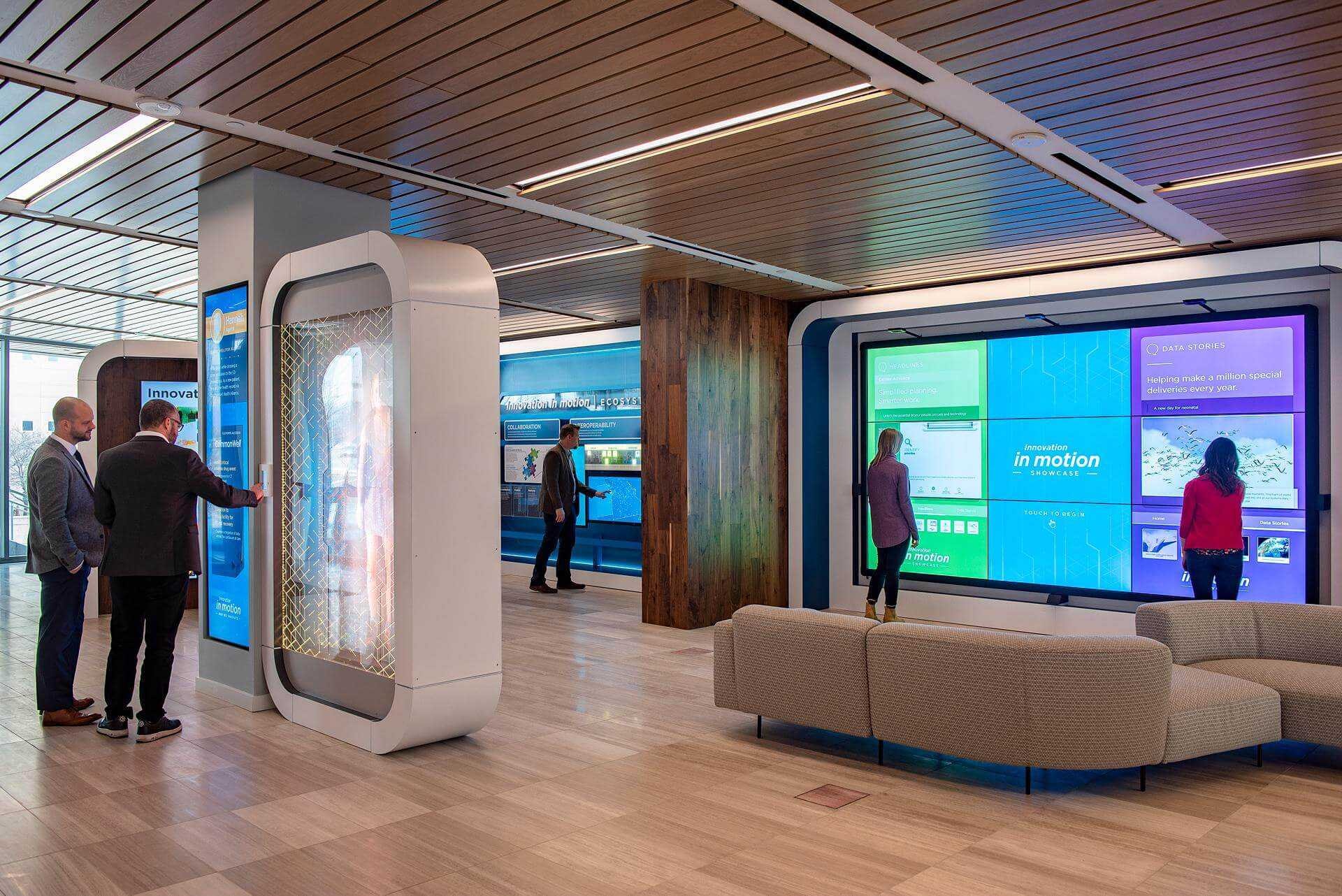
To begin with, these types of briefing centers are all designed to create immersive and engaging experiences for their respective audiences, whether catering to executives, customers, partners or innovators. Centers such as these will generally prioritize interaction and involvement, leveraging advanced technologies and tailored environments to captivate visitors.
Let’s also not forget what typically makes for most any great experience: great hospitality. Whether it’s how guests are greeted at the door, the manner in which they are served lunch, or the “thank you” they receive on the way out, how people are treated is all part of the lasting impression associated with these spaces.
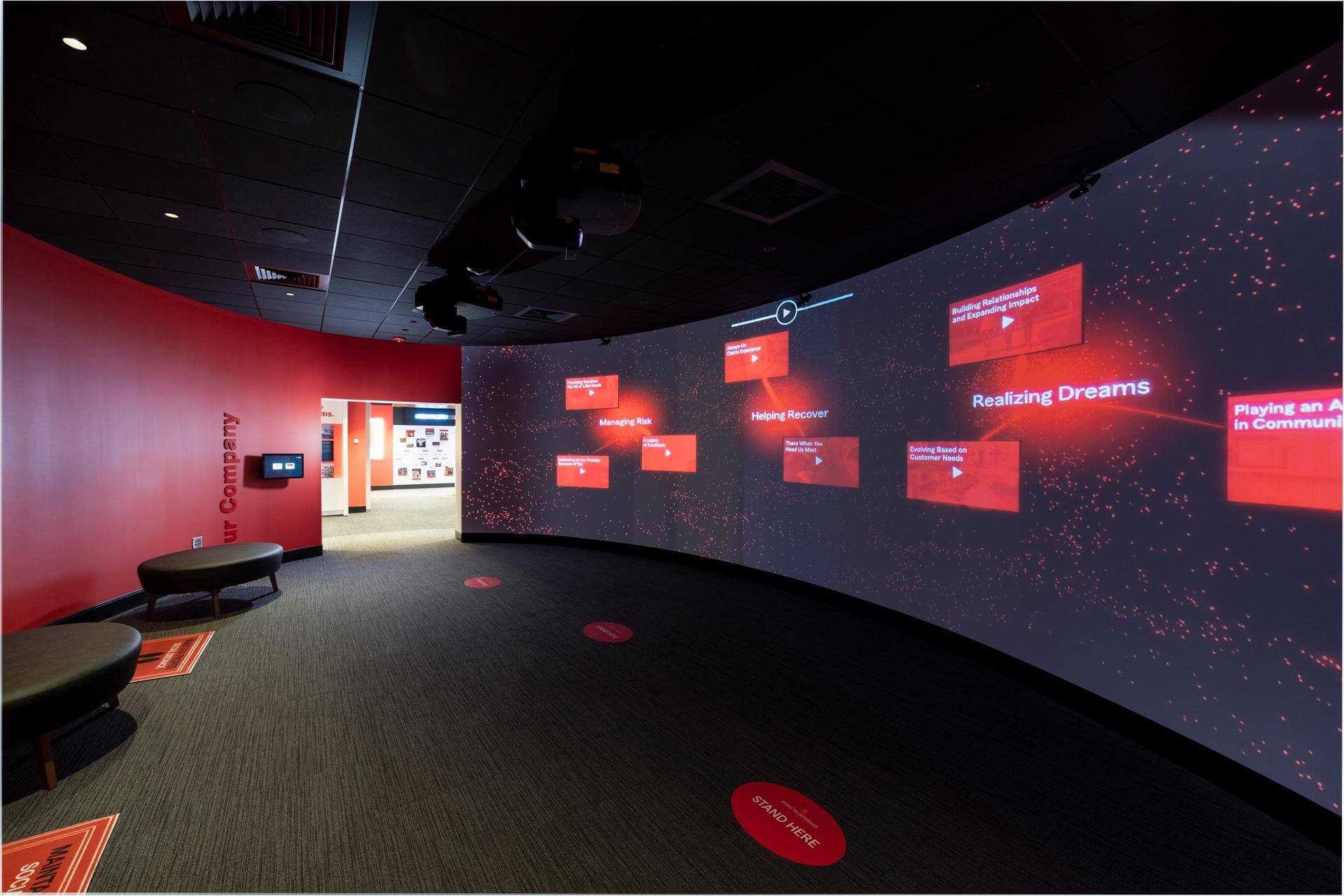
Another common thread among these types of briefing centers is their commitment to fostering relationships and driving business outcomes. EBCs are designed to facilitate strategic discussions and decision-making, aiming to forge strong partnerships and secure high-value deals. Similarly, CECs focus on enhancing customer satisfaction and loyalty by providing personalized support and memorable experiences, ultimately contributing to long-term relationships and revenue growth. Innovation Centers serve as catalysts for collaboration and experimentation, fostering a culture of innovation within the organization and driving forward-thinking initiatives that can fuel business success. Is all this starting to sound familiar…? We think so.
Lastly, these centers all strive to showcase a brand’s value proposition and promote its offerings through a blend of easy-to-grasp concepts and elements of surprise-and-delight. Whether expressed via product demonstrations, interactive content, or prototyping labs, they aim to highlight the brand’s capabilities and differentiators, as well as inspire trust among their audiences.
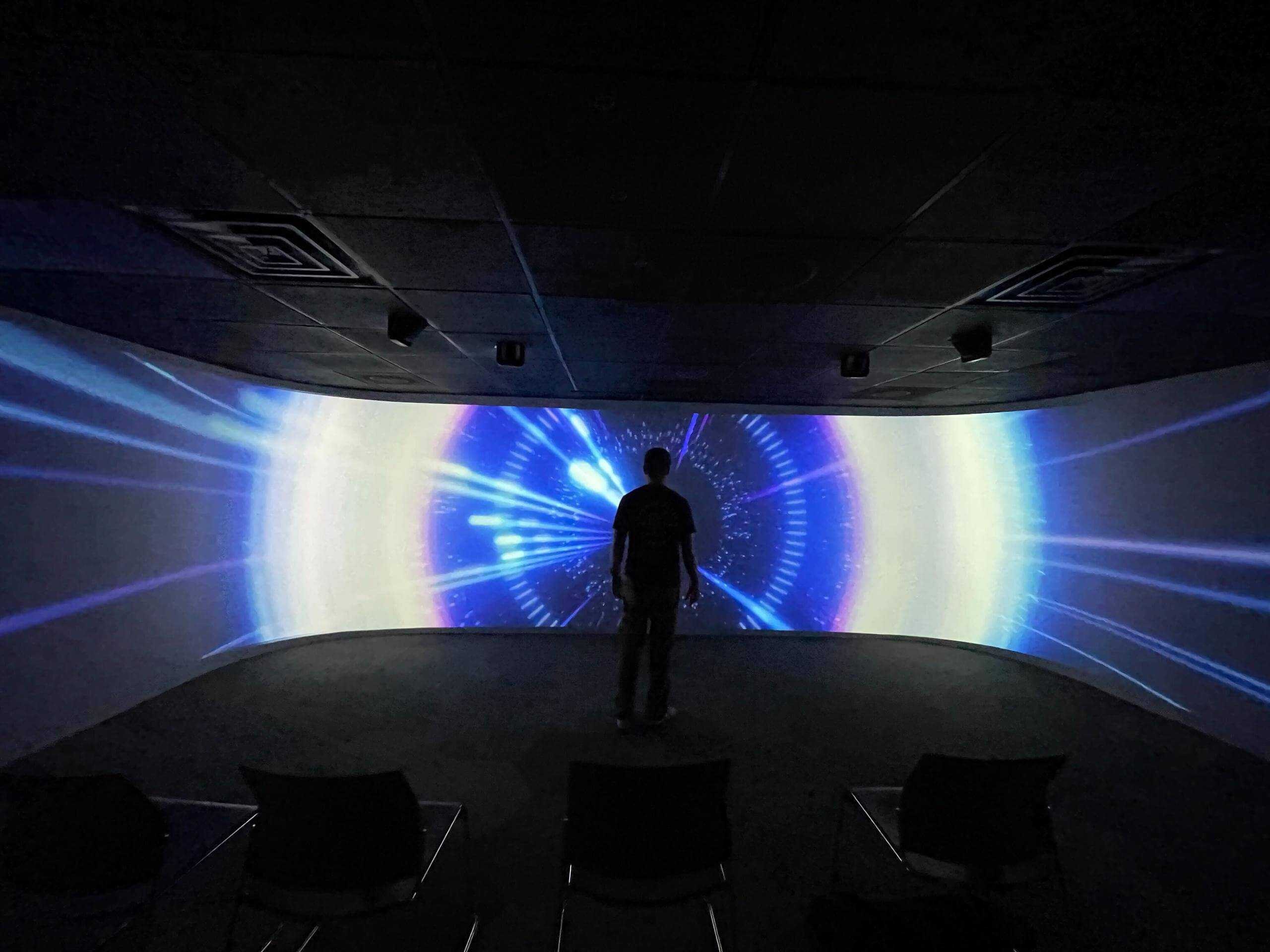
Sure, there are distinct differences between designing and building each of these types of briefing centers, which we can gladly explain in greater detail. But the good news is that none of it has to be complicated, especially when you have an experienced design, build, and technology partner like DI who can take you from high-level strategy all the way through full implementation. So, which type of briefing center can we help you with?

About the Author
Brandon Kuzara
Practice Director Corporate and Healthcare
Brandon Kuzara helps organizations elevate the way people experience their spaces. Since joining DI in 2020, his focus is two-fold: partnering with corporate teams to transform workplaces into immersive, branded environments that strengthen culture, energize employees and make a memorable impression on clients and visitors; and collaborating with healthcare facilities to create engaging, calming environments that support comfort, reduce anxiety and encourage positive distraction.
With a background in client success and business development, he brings a long-term, relationship-driven approach to every engagement—aligning strategy, space and measurable outcomes to ensure each experience delivers value well beyond installation. Brandon holds a Bachelor of Science in Marketing from the University of Kansas. He’s driven by complex challenges and passionate about building trust-based partnerships that translate client goals into purposeful, high-performing environments.
View Full Bio