
 Close Overlay
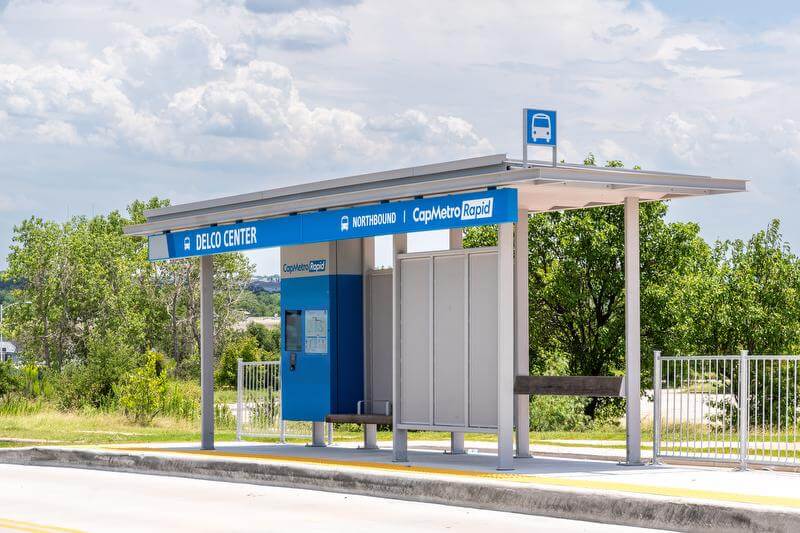
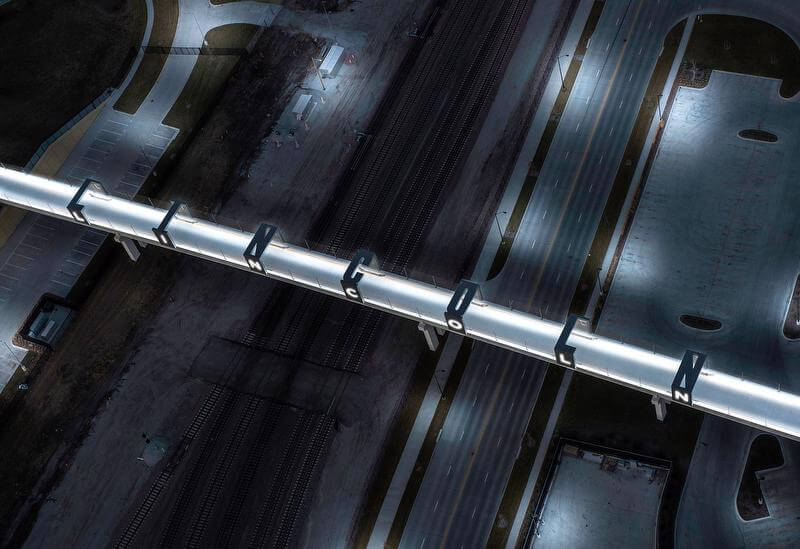
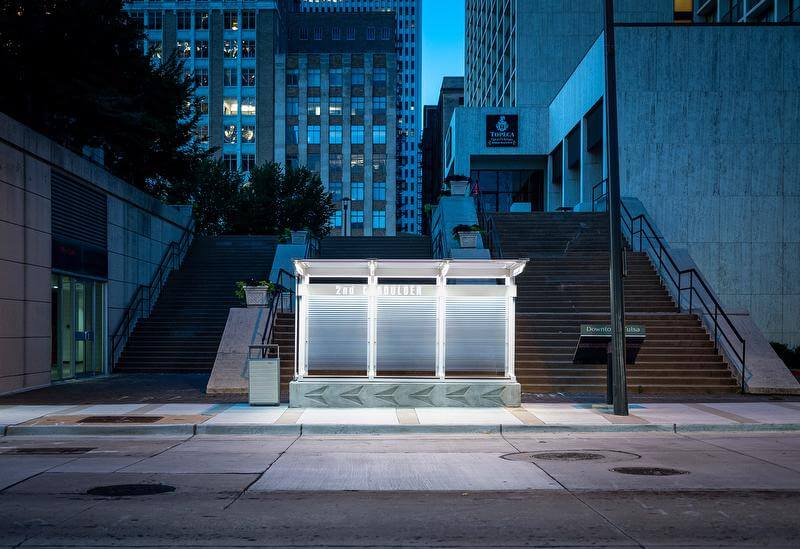
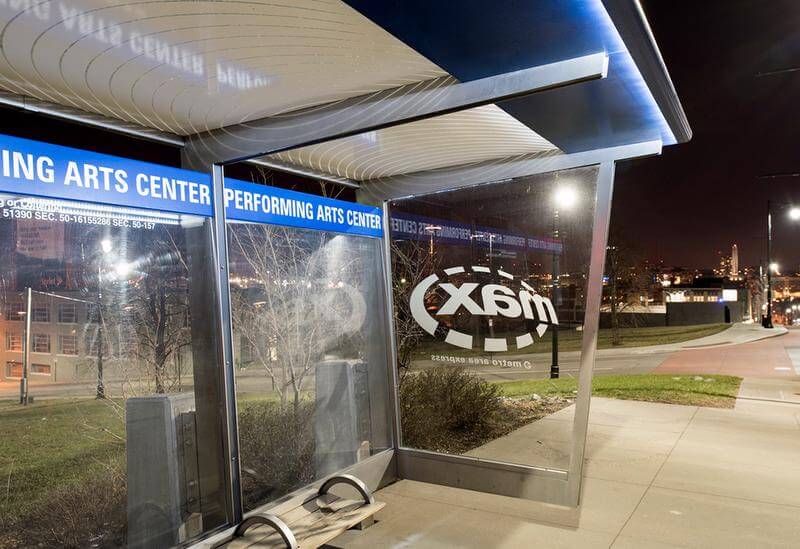
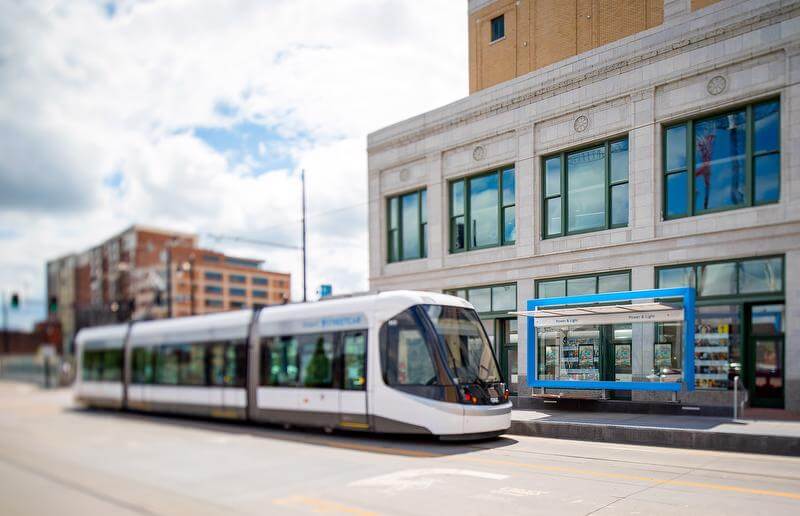
Public transit is much more than transportation—we craft experiences that engage and connect travel. From buses and stations to streetcars and pedestrian pathways, Dimensional Innovation’s transit hub experience design services merge design, technology, and storytelling to create spaces that are both functional and memorable. Our work in transit and airport experience, including Lincoln, Nebraska’s Haymarket Pedestrian Bridge, the Kansas City Streetcar, and Tulsa Transit, showcases how we blend utility with creativity, enhancing the way communities move and interact through experiential transportation spaces.
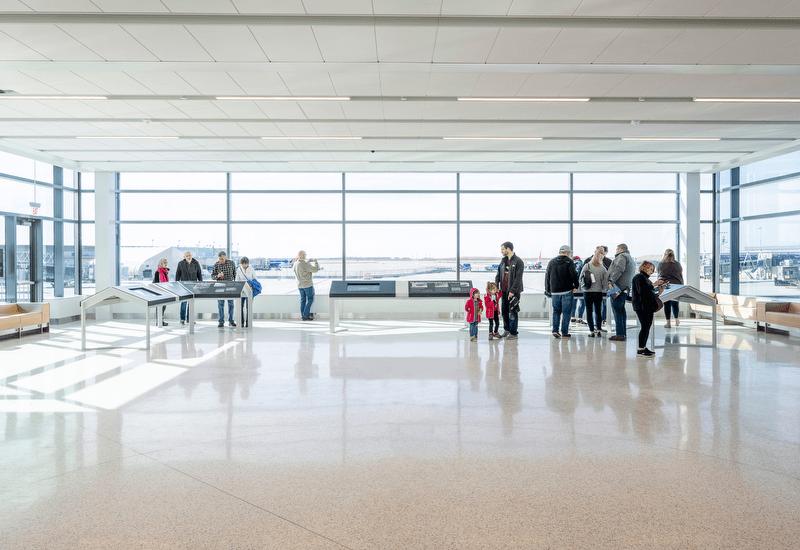
Airport experience strategy considers the moments and environments that shape how travelers move, wait, orient themselves, and interact within terminals and surrounding transit spaces. DI approaches airport experience design by looking at these experiential airport environments as functional spaces that can also be memorable through integration of design, digital touchpoints, and storytelling elements. This leads to a human-centered transit design philosophy focused on creating memorable travel environments that also serve their intended purpose.
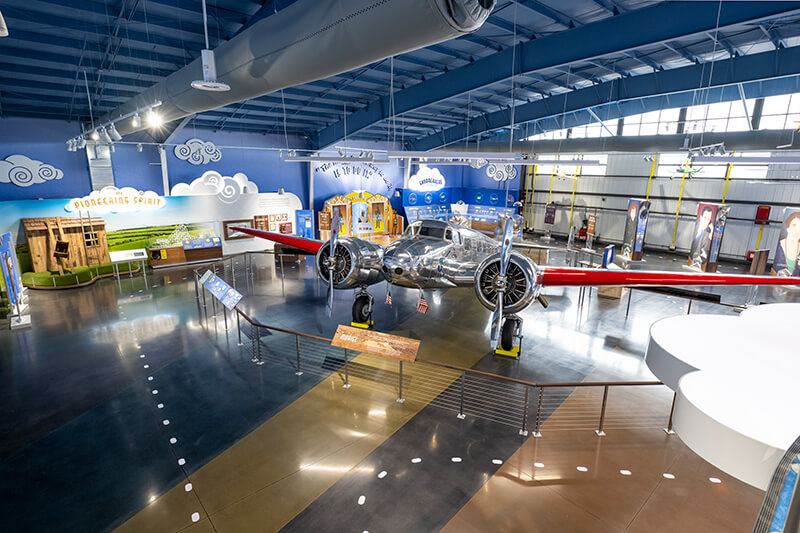
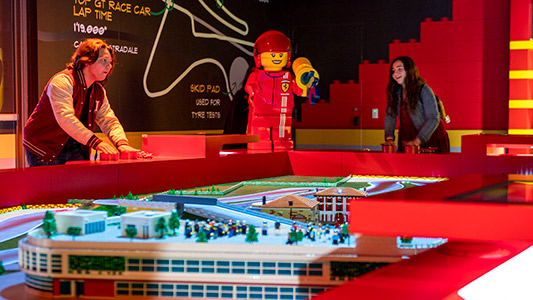
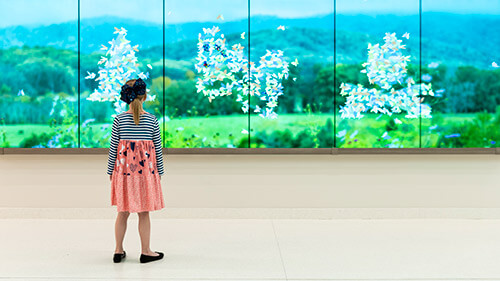
These experiences can include attractions, interactive installations, kid zones, exhibits, and sponsorship lounges. Clarity and comfort are crucial in high-traffic environments, and we understand the importance of navigation and engagement working together. This is why our airport placemaking and public transit design services are tailored to these environments.
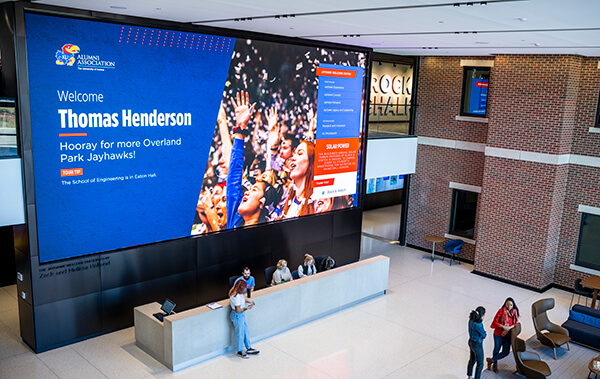
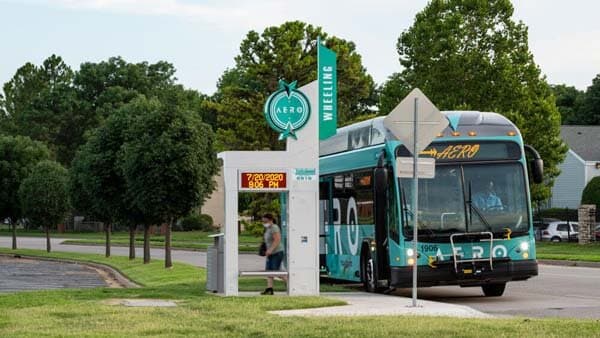
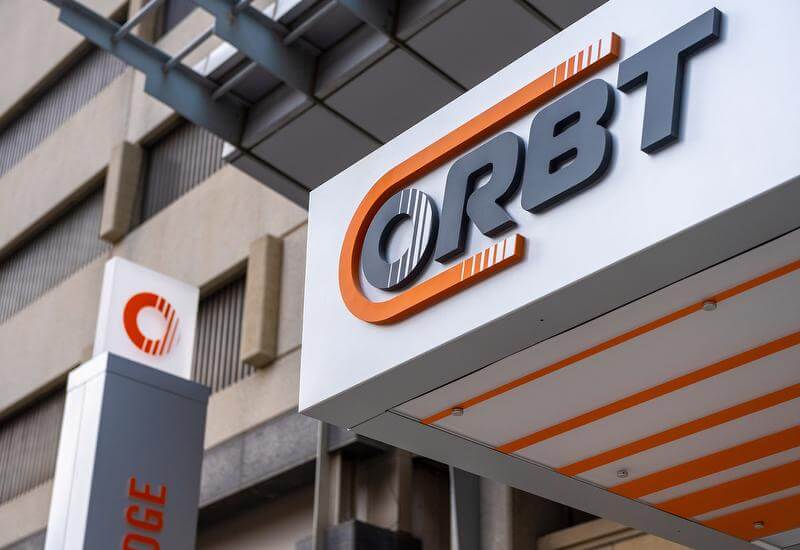
Wayfinding is central to airport experience strategy and planning. Elements such as directories, kiosks, station markers, and pylons help travelers navigate complex environments with confidence. We design these to be both functional tools and branded environmental elements.
Our approach to airport terminal experience design merges utility with creativity, making airport signage systems and transit touchpoints a part of the overall experience. This philosophy to passenger experience design also extends beyond terminals to include pedestrian pathways, parking and shuttle areas, and streetscapes.