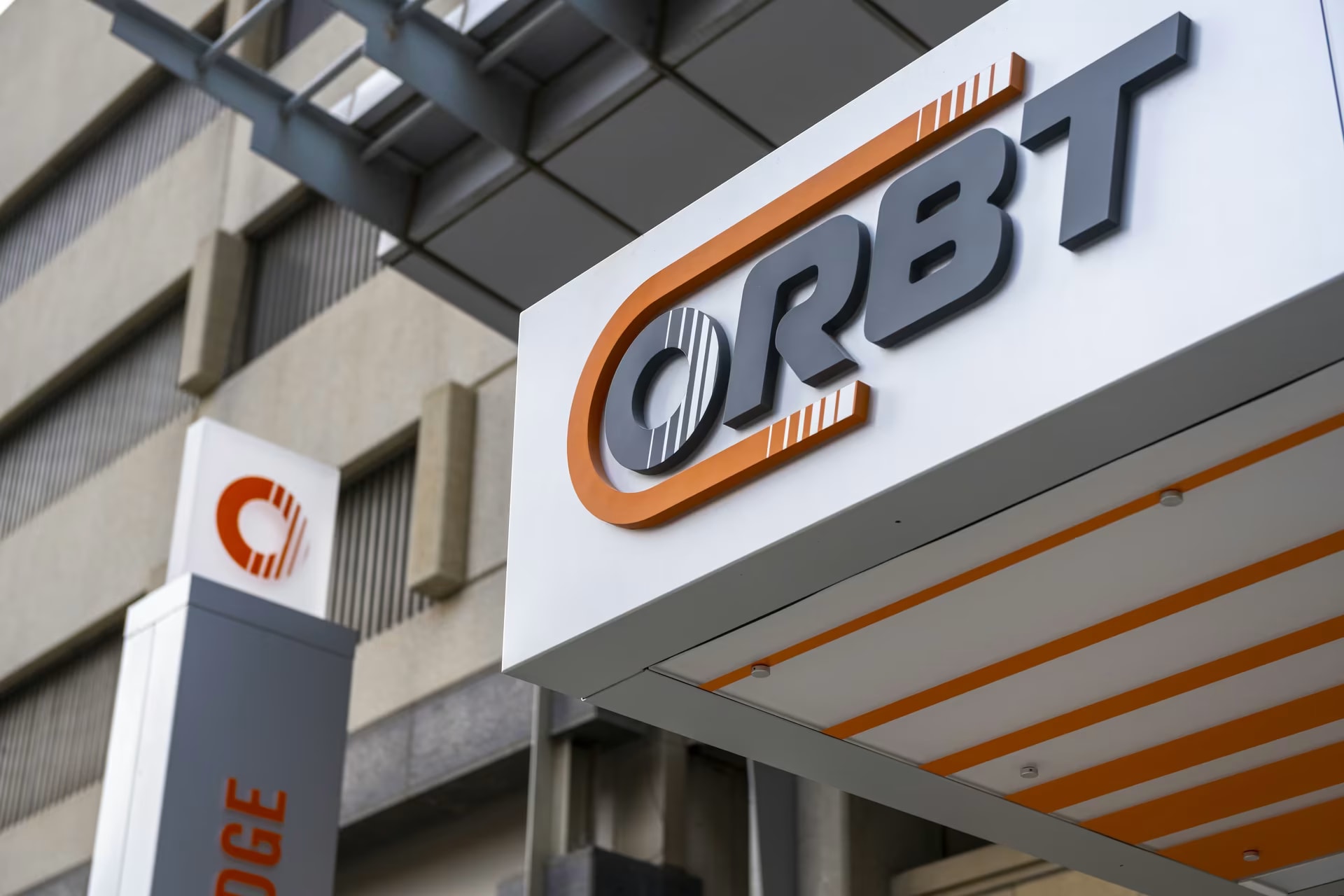
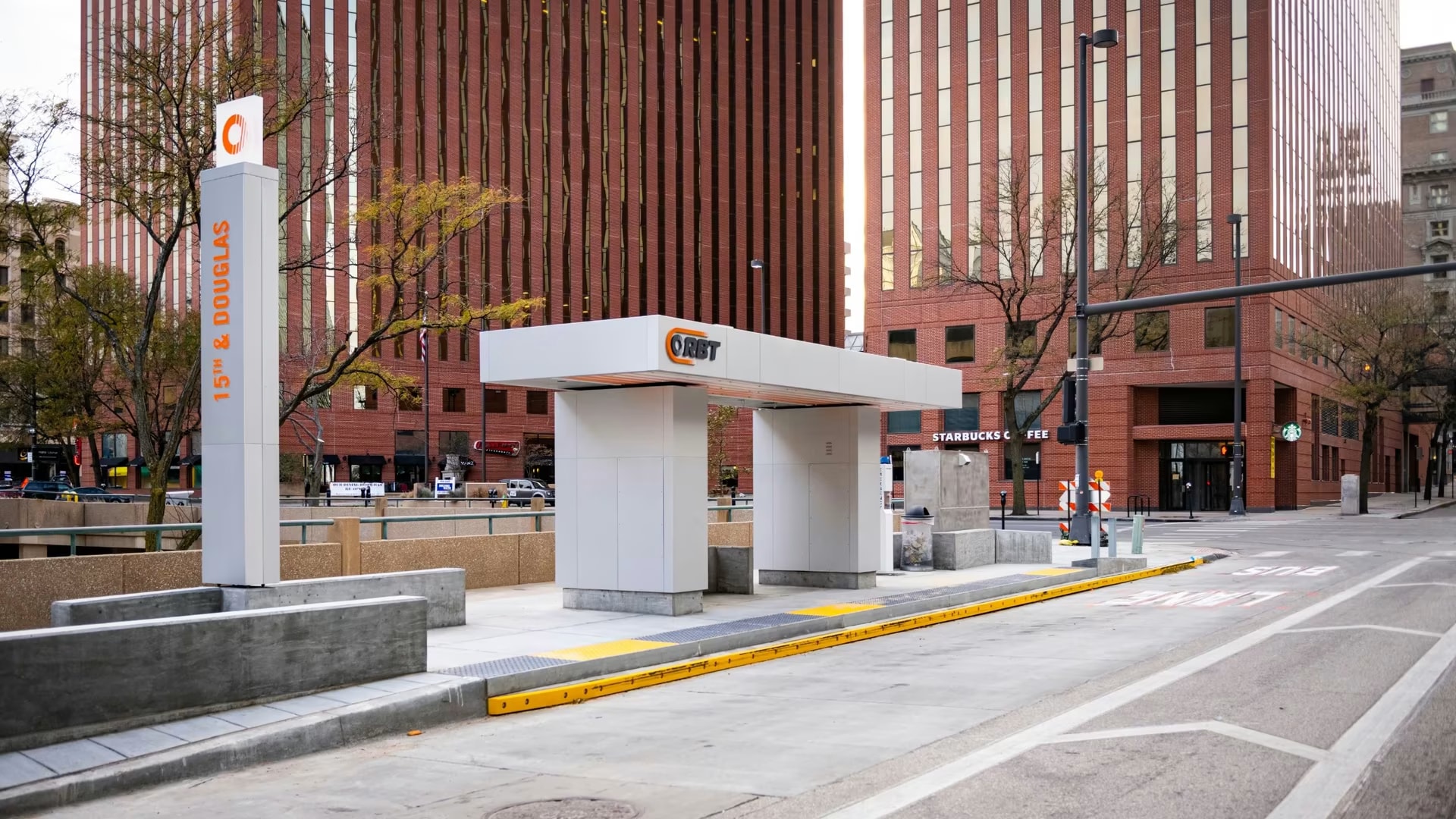
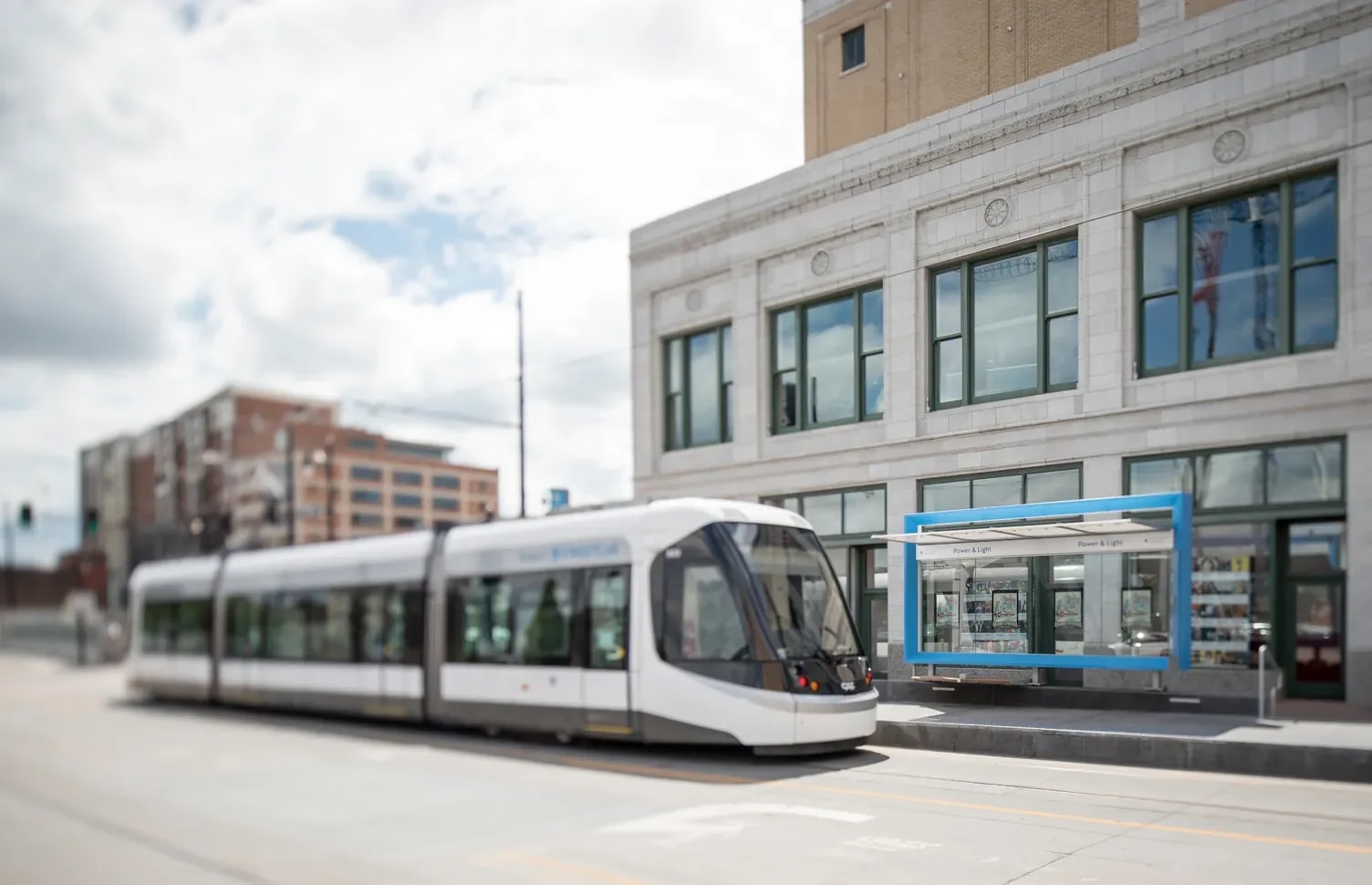
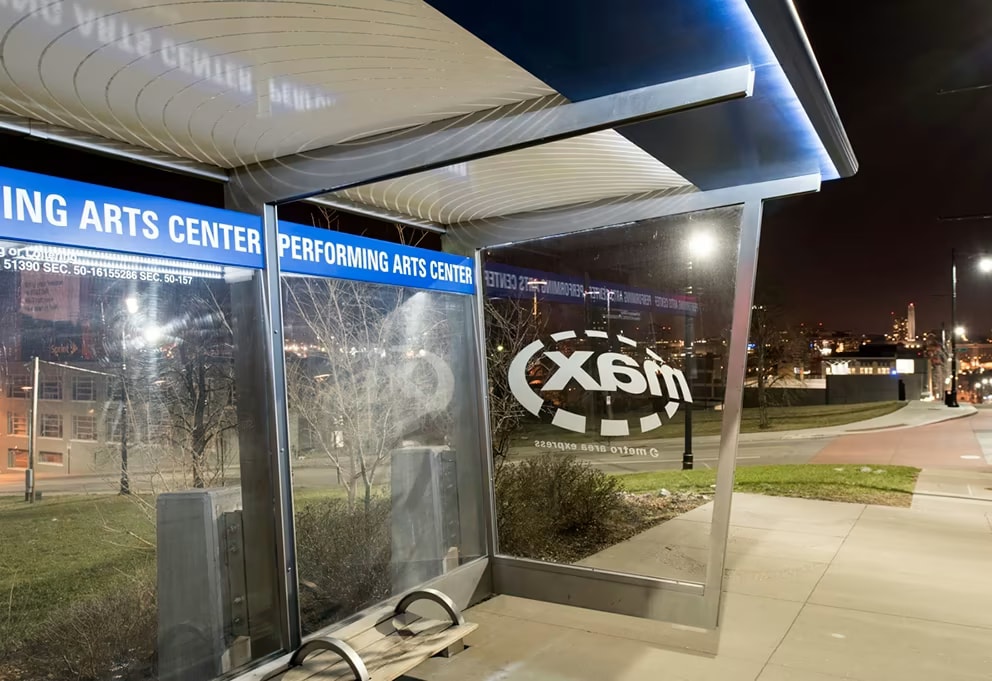
Omaha Metro partnered with DI to improve the passenger experience along the city’s first rapid bus transit route. DI fabricated and installed 24 custom station canopies and pillar signs featuring integrated lighting, bold branding and technology accommodations. Paired with heated boarding platforms, real-time arrival information and accessible touchscreens, the stations provide a more comfortable way to navigate Omaha. Despite flooding and harsh winters obstacles, the completed system gives riders a recognizable, accessible transit experience connecting downtown Omaha and Westroads.
Challenge
Omaha Metro was making its largest transit investment in decades with the introduction of Omaha Rapid Bus Transit (ORBT), a new system designed to make traveling between downtown and Westroads faster and more accessible.
Unlike traditional bus stops, ORBT stations needed to offer a more comfortable and convenient experience for passengers. The new infrastructure would include spacious shelters, real-time arrival information and accessible boarding platforms, all while establishing a recognizable identity along the route.
Bringing the stations to life also presented significant logistical challenges. Flooding and harsh Nebraska winters complicated an already demanding construction schedule. With stations spread throughout a busy urban corridor, the project required careful coordination to deliver durable structures that could accommodate evolving design and technology requirements.
SOLUTION
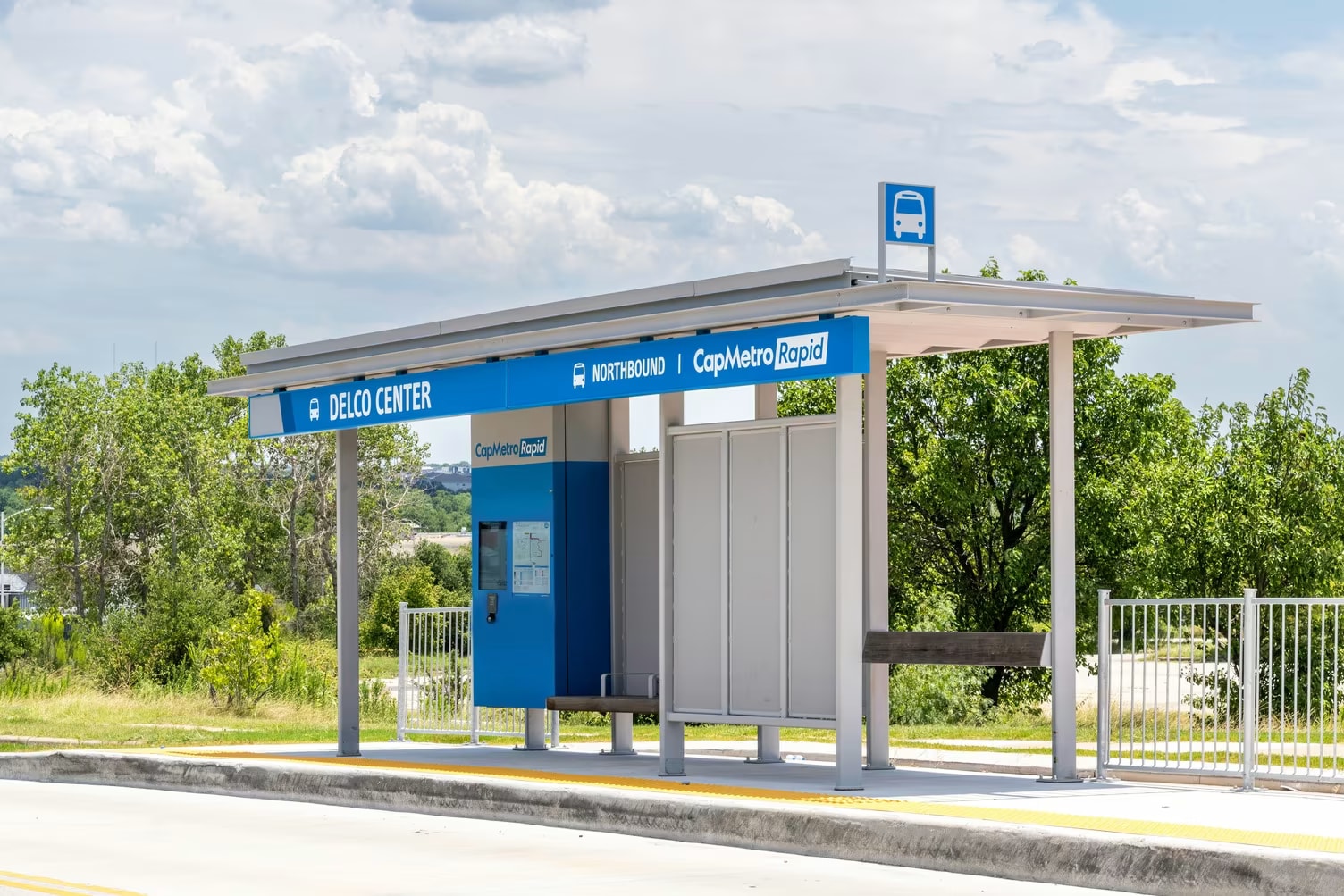
Designed to be easily recognizable throughout the city, the stations feature spacious overhead canopies with integrated lighting and bold ORBT branding. Each shelter works alongside raised, heated concrete platforms that allow passengers to board buses more easily.
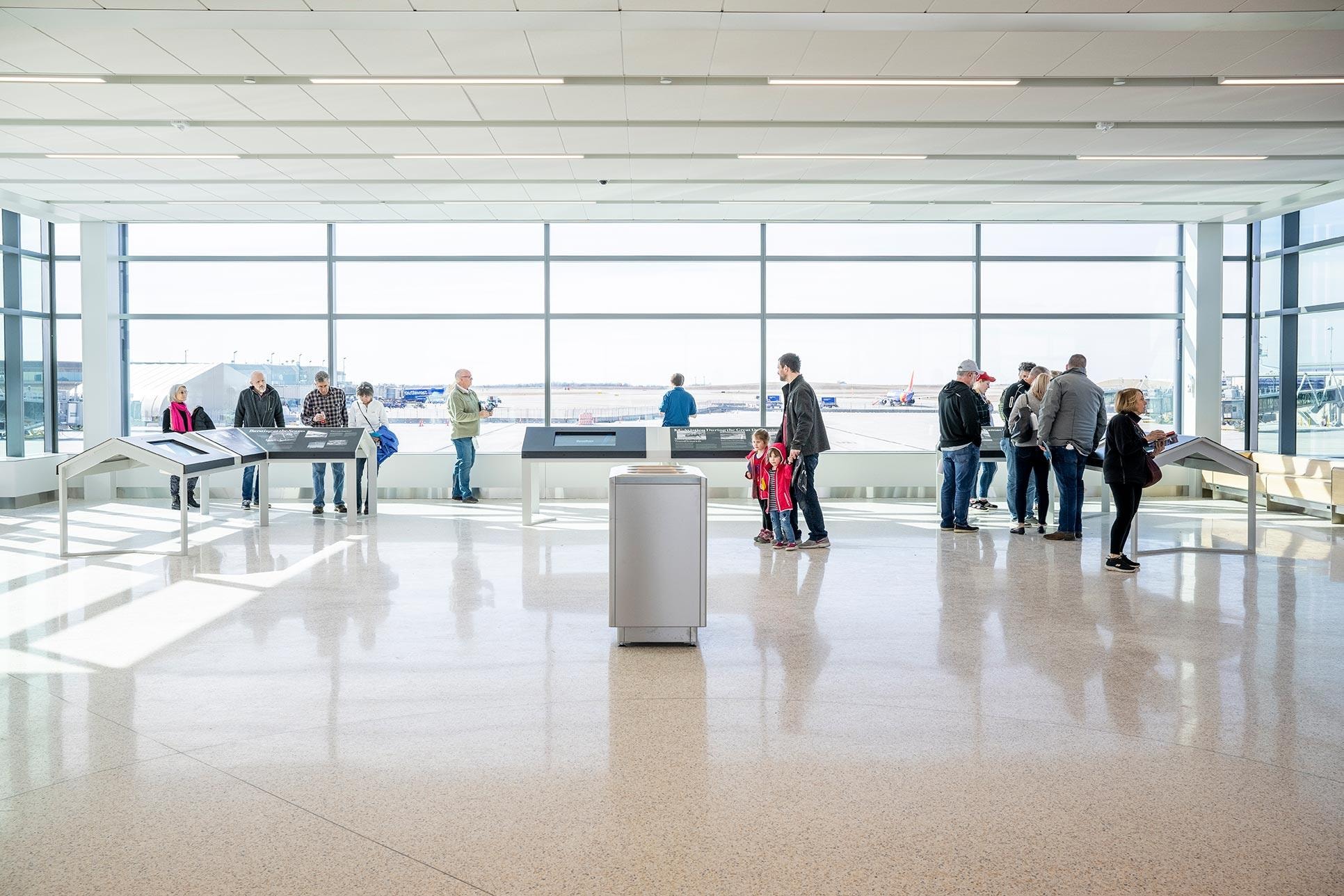
Technology was another important component of the experience. The stations incorporate digital kiosks with real-time bus arrival information, along with security cameras and emergency communication systems. ADA-compliant touchscreens make travel information more accessible to passengers with disabilities.
As the project evolved, DI worked closely with the design and construction teams to adjust canopy structures and accommodate changing technology requirements. The team also coordinated fabrication and installation around weather delays and site conditions.
Impact
The 24 custom canopies and pillar signs provide recognizable landmarks throughout the route, while integrated technology gives passengers more information and confidence as they travel.
Despite challenges during construction, the system opened in November 2020 and has since become an important transportation option for the region. By January 2022, ORBT had provided more than half a million rides, demonstrating growing demand for the service.