


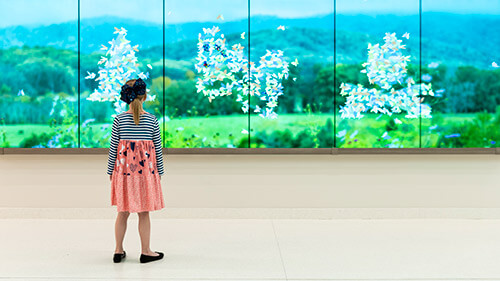

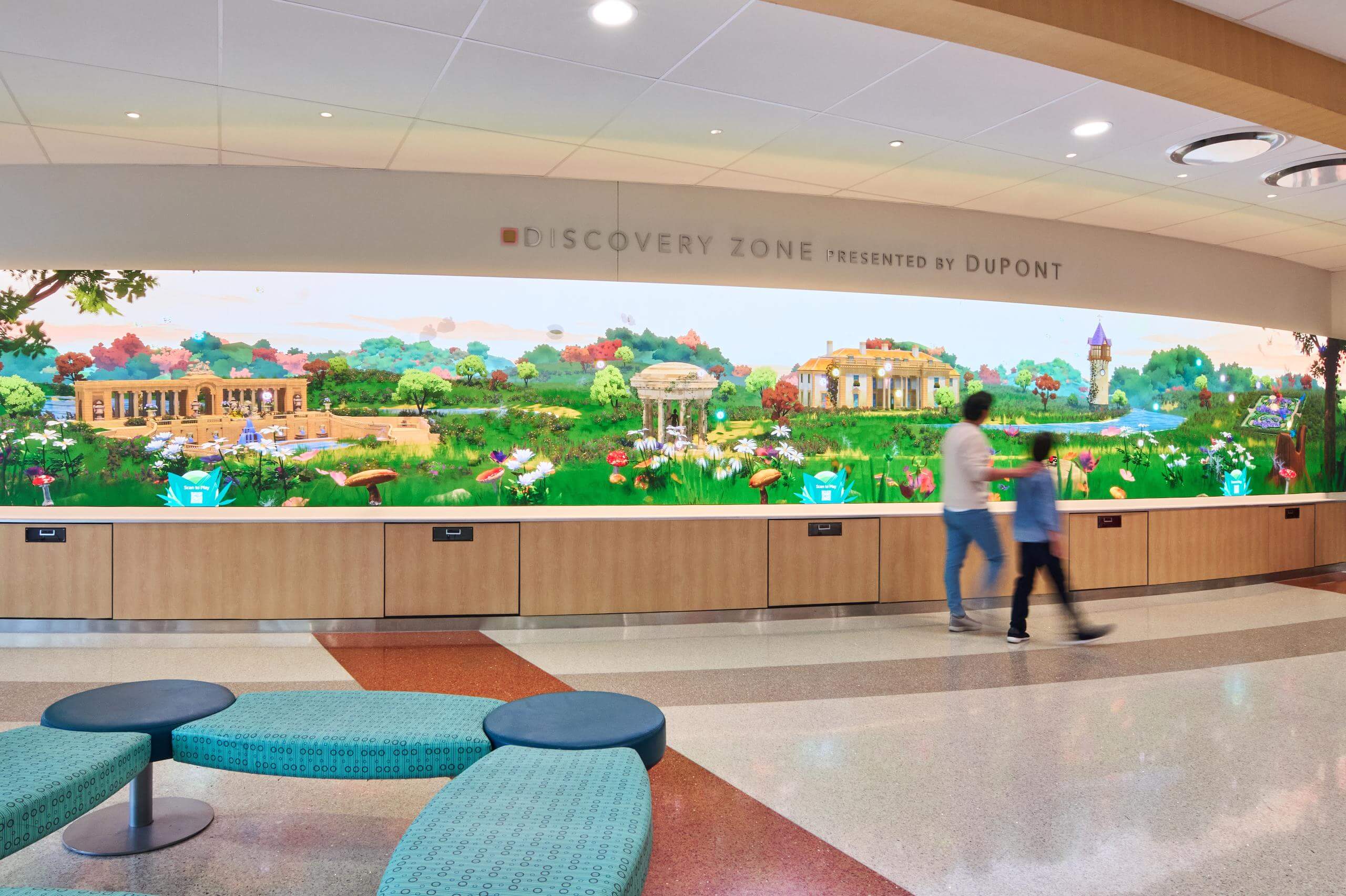
Few moments feel heavier than walking into a pediatric hospital with a child who needs care. In those moments, design can do something powerful: it can offer reassurance before a word is spoken. At Nemours Children’s Health, that reassurance takes shape in Wings of Legacy, a 50-foot interactive digital experience in the atrium created to bring comfort, distraction and uplifting moments to patients and families. As one hospital leader put it, “As soon as a family walks through our doors, Wings of Legacy tells them, ‘This is a space for you.’”
That kind of reassurance matters because, for a child, a hospital visit can feel overwhelming before care even begins. The lights are bright. The hallways are unfamiliar. Families are carrying stress, and even a routine appointment can come with fear, anxiety and a lot of emotion.
That is why the best pediatric environments are not just designed for treatment. They are designed to help children feel more at ease. When kids feel comfortable, they often respond to care differently. Parents can breathe a little easier, staff can focus more fully on care and the entire experience becomes more supportive for everyone involved.
Hospitals are thinking more holistically about what that experience should feel like from arrival to recovery. The goal is not a single standout feature, but an environment that works together to comfort, distract and support families throughout their visit.
That same thinking is also shaping how hospitals build community. When spaces feel genuine, they create authentic opportunities for connection, philanthropy and storytelling.
Here are five trends shaping pediatric hospital design and what they reveal about where the field is headed.

Trend 1: Master planning becomes a roadmap for the family experience
The strongest pediatric master plans do more than organize space. They create a roadmap for a supportive experience from arrival through recovery.
Master planning has always helped hospitals prepare for growth and change. Today, it is also becoming a way to shape how patients and families experience care across the entire campus.
That shift matters because families do not experience a hospital one department at a time. They experience it as a journey. From the moment they arrive, they are looking for ways to help them feel oriented and reassured they are cared for. A strong master plan helps align theming, wayfinding, technology, materials and operational needs into one experience.
When this work is done well, navigation becomes easier. Spaces feel more cohesive. Kids and families are not left trying to figure out while already under stress.
It also creates a stronger foundation for the future. Decisions about durability, maintenance and performance are not separate from the experience. They are part of it. Finishes, built-ins and casework choices all support daily use while still feeling welcoming and consistent over time.
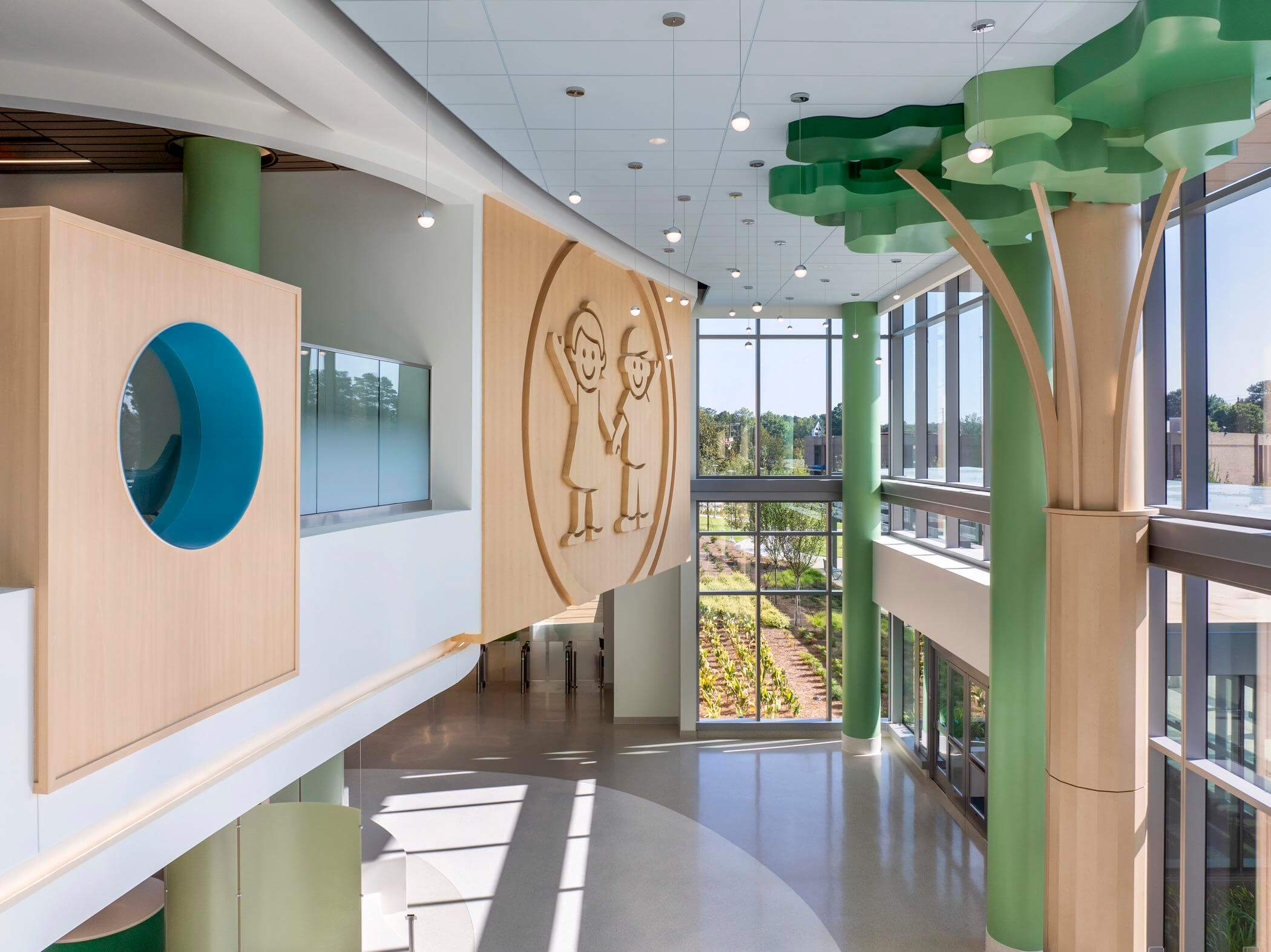
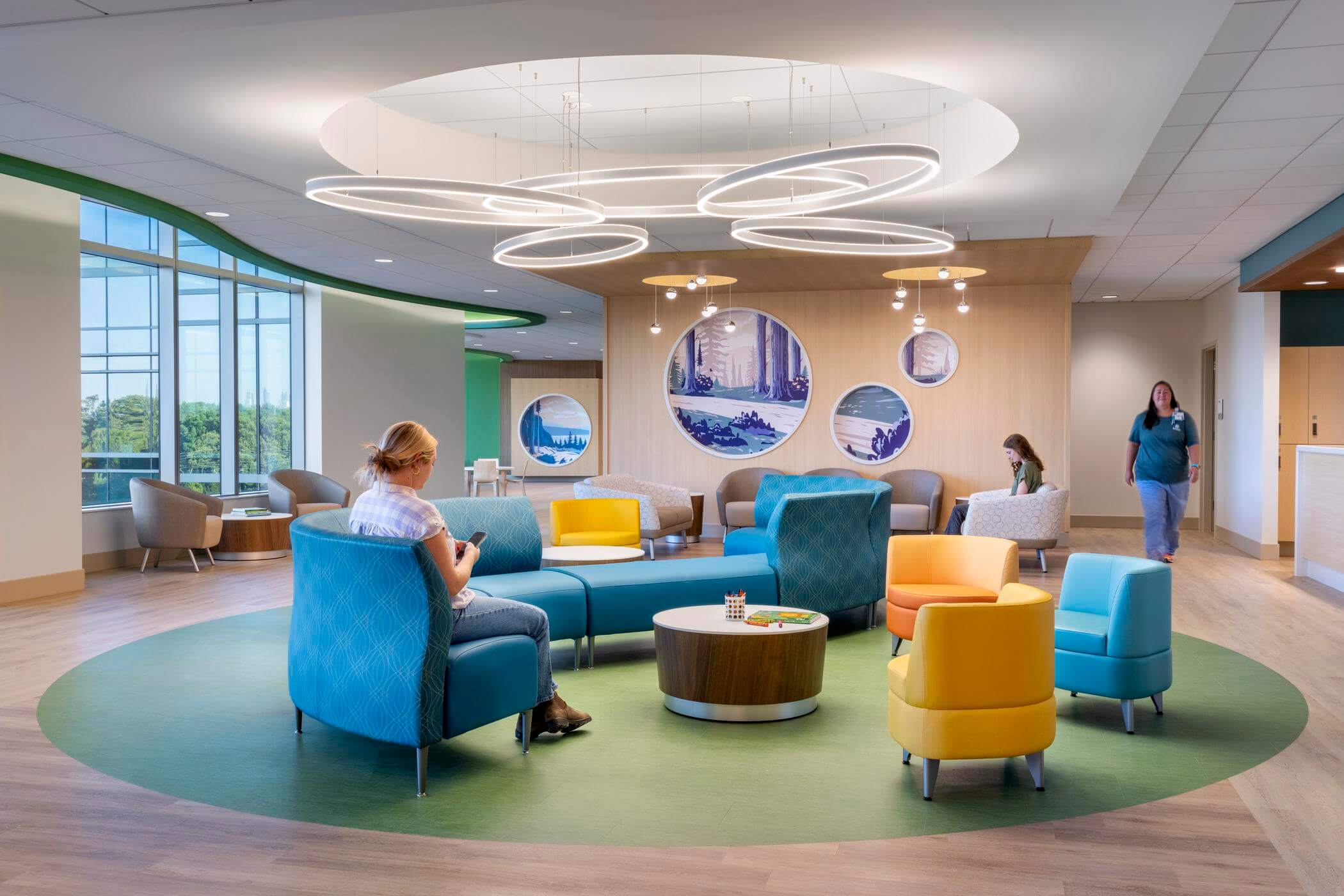
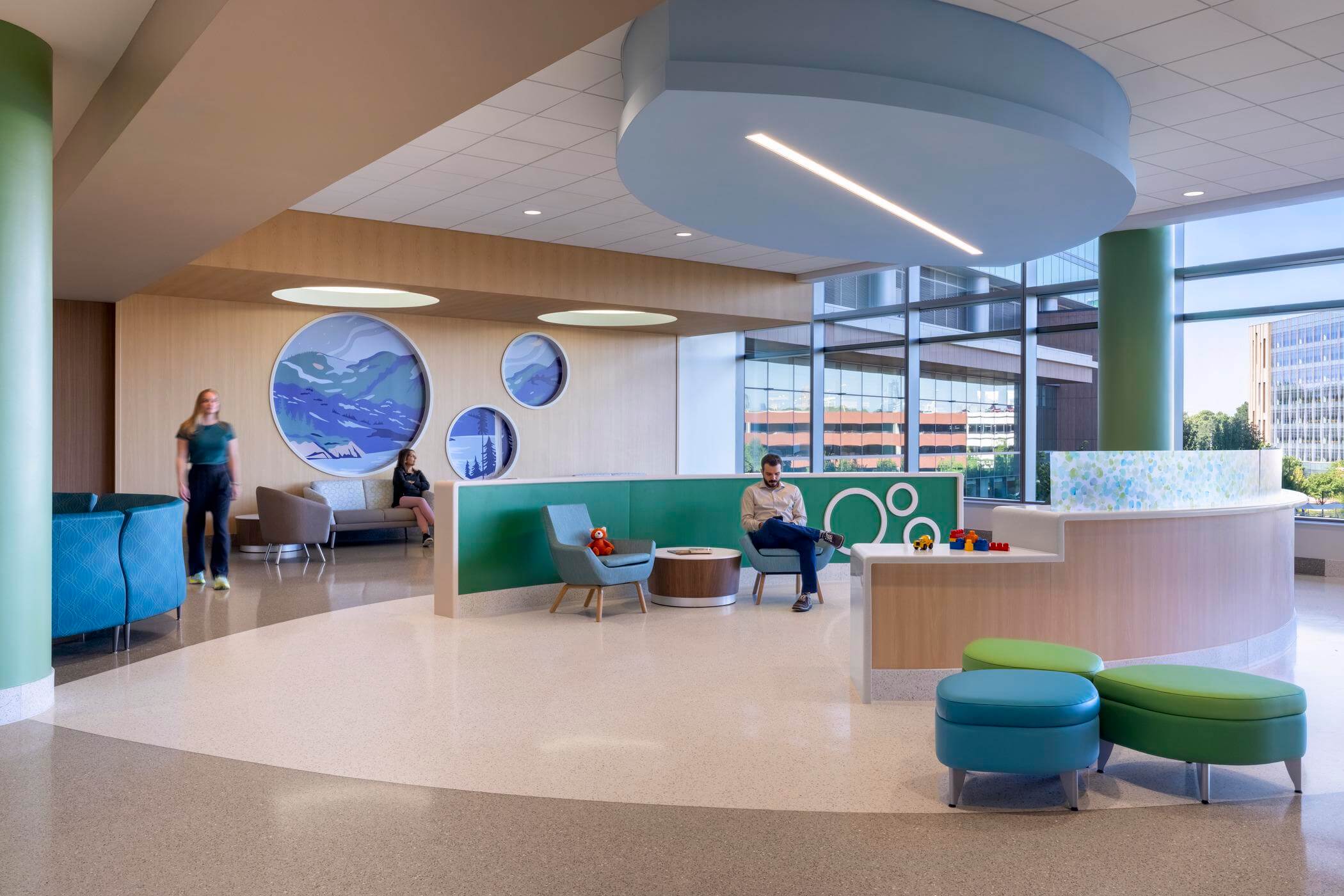
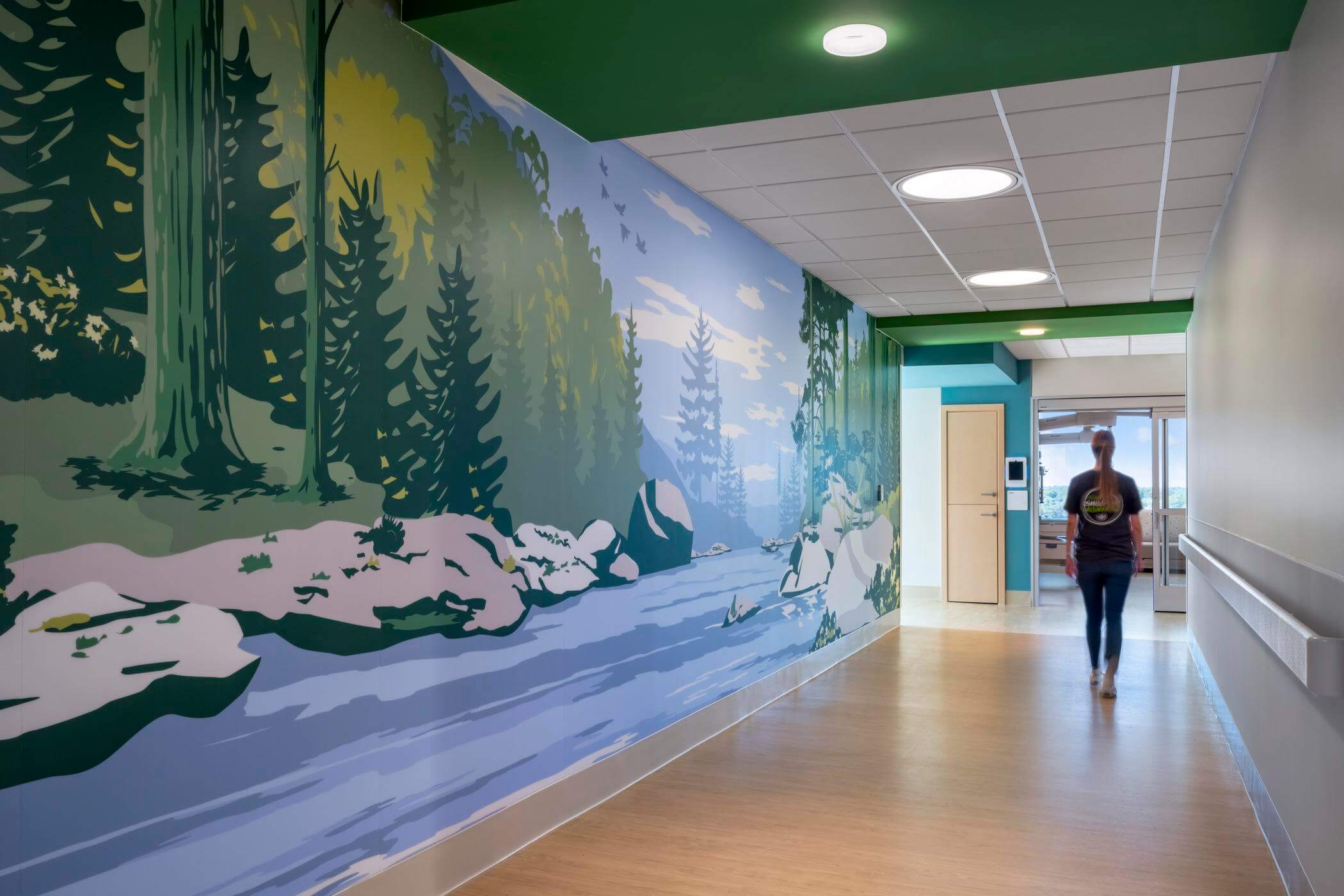
One example at Children’s Healthcare of Atlanta’s Arthur M. Blank Hospital shows why this matters. The team developed a scalable, brand-aligned environment across 20 floors that supports comfort and helps people get where they need to go by integrating graphics, theming, donor recognition and interactive elements into one cohesive plan for patients, families and staff.
Trend 2: Positive distraction becomes part of the care experience
Positive distraction is most powerful when it’s woven into the patient experience as a whole. It’s not about adding a single feature. It’s about helping kids feel comforted and engaged throughout their visit.
In pediatric care, distraction is not just decoration. It can be an important part of helping kids cope under stressful situations. Positive distraction is a simple and powerful tool in the pediatric healthcare space. When done thoughtfully, it can help children feel calmer and more in control during what might otherwise feel like an intimidating experience.
Research and care teams continue to point to the value of positive distraction. Nonmedical and play-based experiences can help reduce anxiety, support cooperation and make visits feel more manageable for patients and families. What makes these experiences effective is not their size or novelty. It’s how well they fit the broader environment. They should feel calming without being overstimulating. They should give kids choices and moments of calmness. They should work across all ages, abilities and visit types. And they should hold up in the healthcare setting.
Hospitals are exploring this in many forms, from interactive walls to projection-based experiences and even VR-equipped rooms.
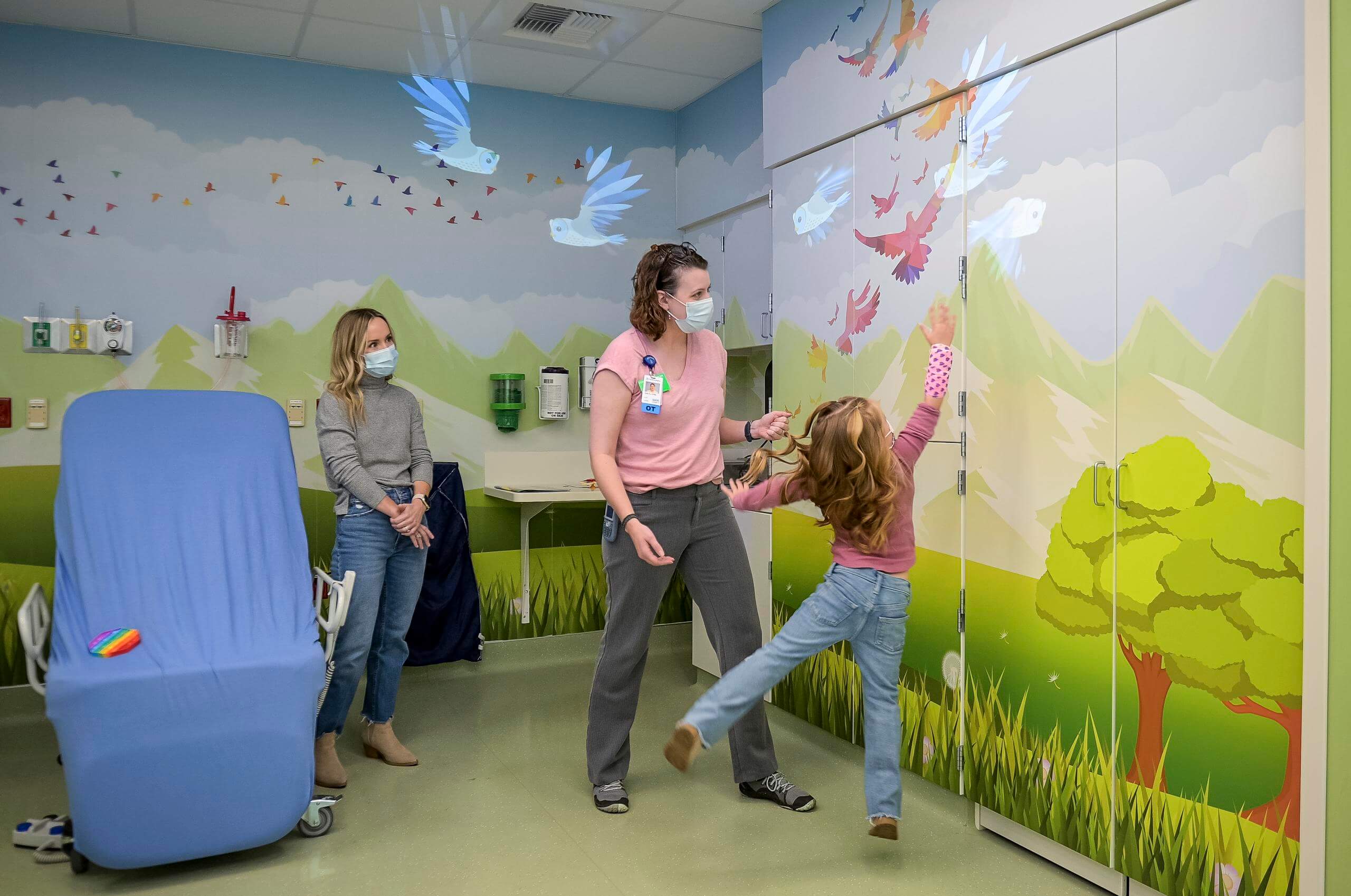
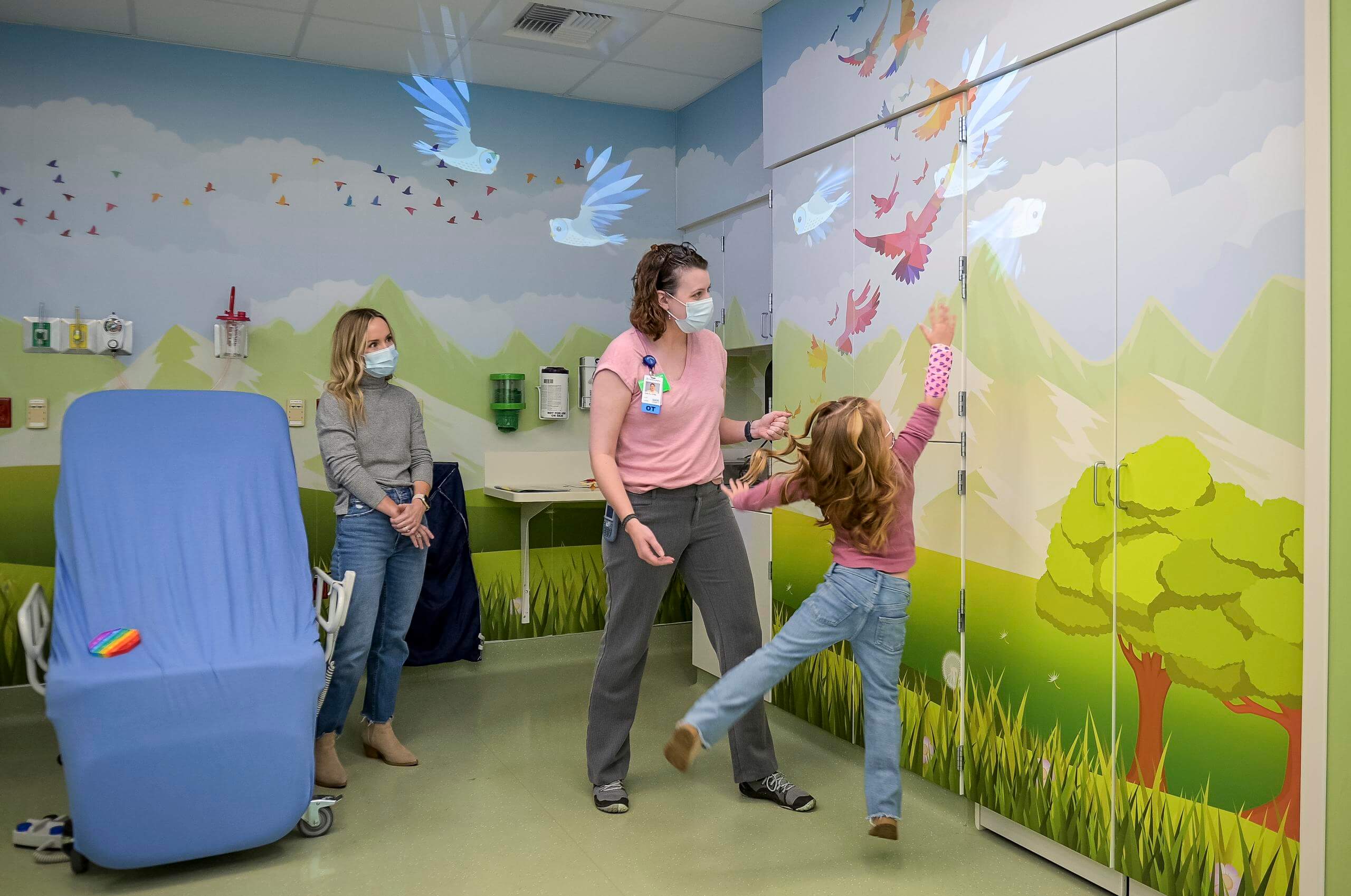
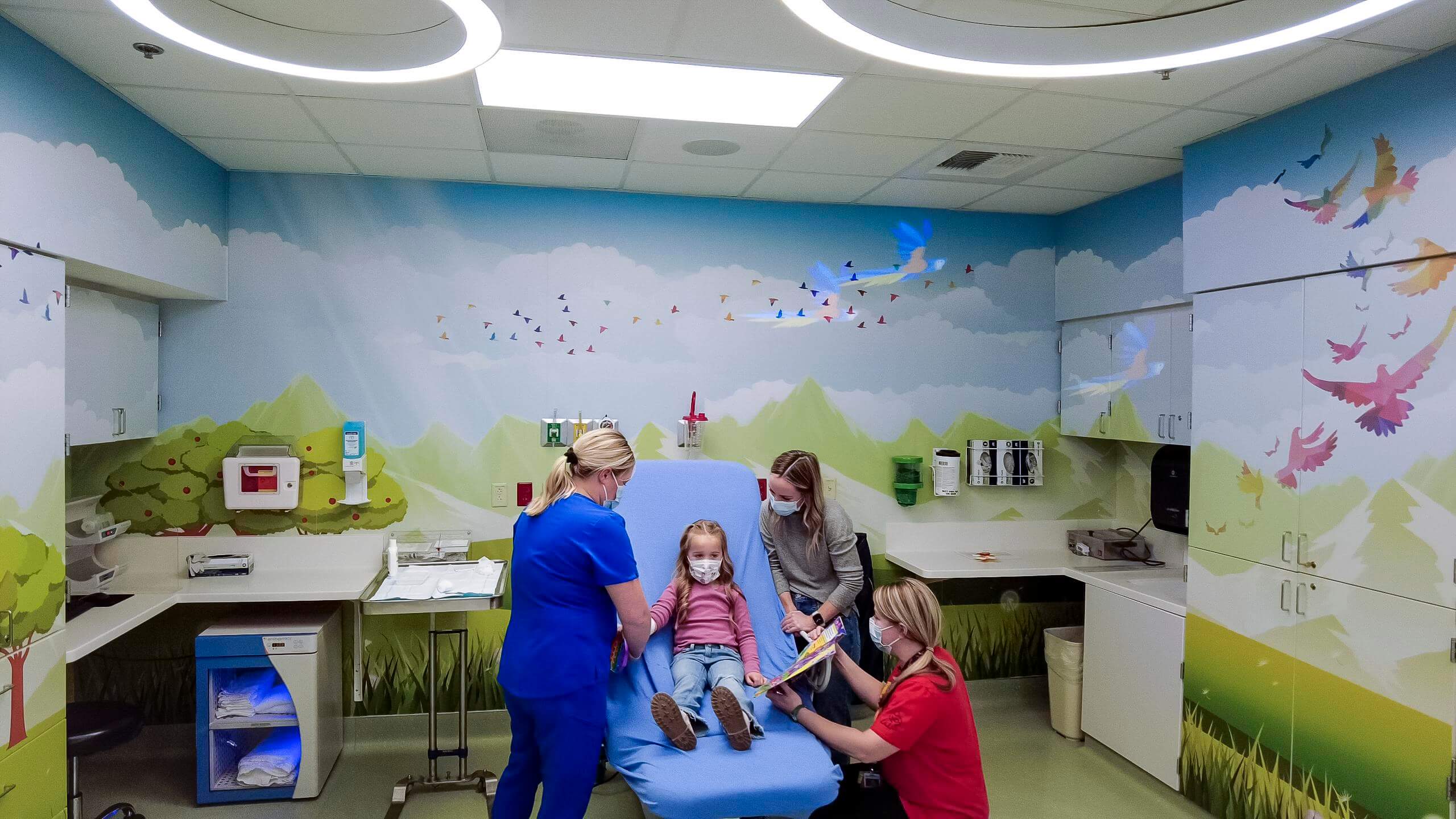
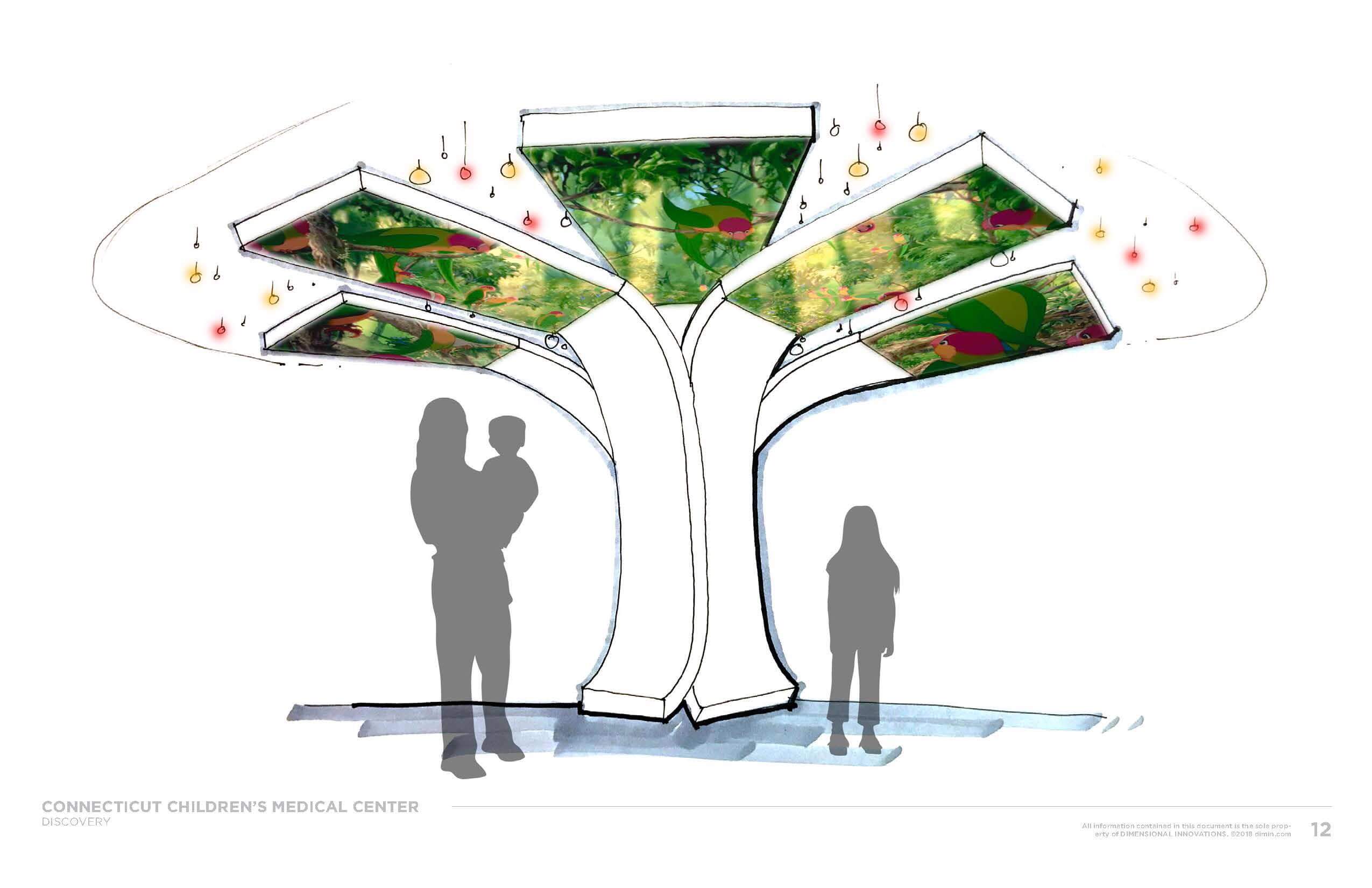
At Children’s Mercy Kansas City Burn Clinic where treatment can be both physically painful and emotionally heavy, the environment is designed to help ease anxiety before and during care by a serene, interactive digital bird sanctuary tailored to the space. Kids can choose from multiple bird styles that move through the hallway and into the treatment room. The experience is paired with ambient lighting and gentle music to soften the clinical atmosphere.
Trend 3: Ambient belonging becomes a new standard for pediatric comfort
Belonging is not a feature you install. It’s the feeling created when the whole environment supports comfort and calmness.
Some of the most meaningful design choices in pediatric care are also the quietest.
Ambient belonging comes from the many small decisions that help a child and family feel like they are in the right place and that they will be cared for there. It can show up through lighting, materials, color, texture and visual cues. Together, those choices send a simple but powerful message: You are safe and supported here.
For families who may already feel scared, nervous or disoriented, that matters. Pediatric stress is often sensory. The environment can either intensify those feelings or help soften them. When spaces are designed with empathy, they can reduce the need for explanation and let families focus on their child’s wellbeing.
That might mean clearer landmarks, calmer sound and lighting strategies, easier navigation or nature-forward design choices that bring warmth into clinical settings. It’s rarely one element on its own. It’s the cumulative effect of many thoughtful choices working together.
Trend 4: Donor walls evolve into more meaningful storytelling
The best donor experiences do more than recognize gifts. They help build community, celebrate shared purpose and connect generosity to real moments of hope and healing.
Pediatric hospitals are rethinking how gratitude shows up in the built environment.
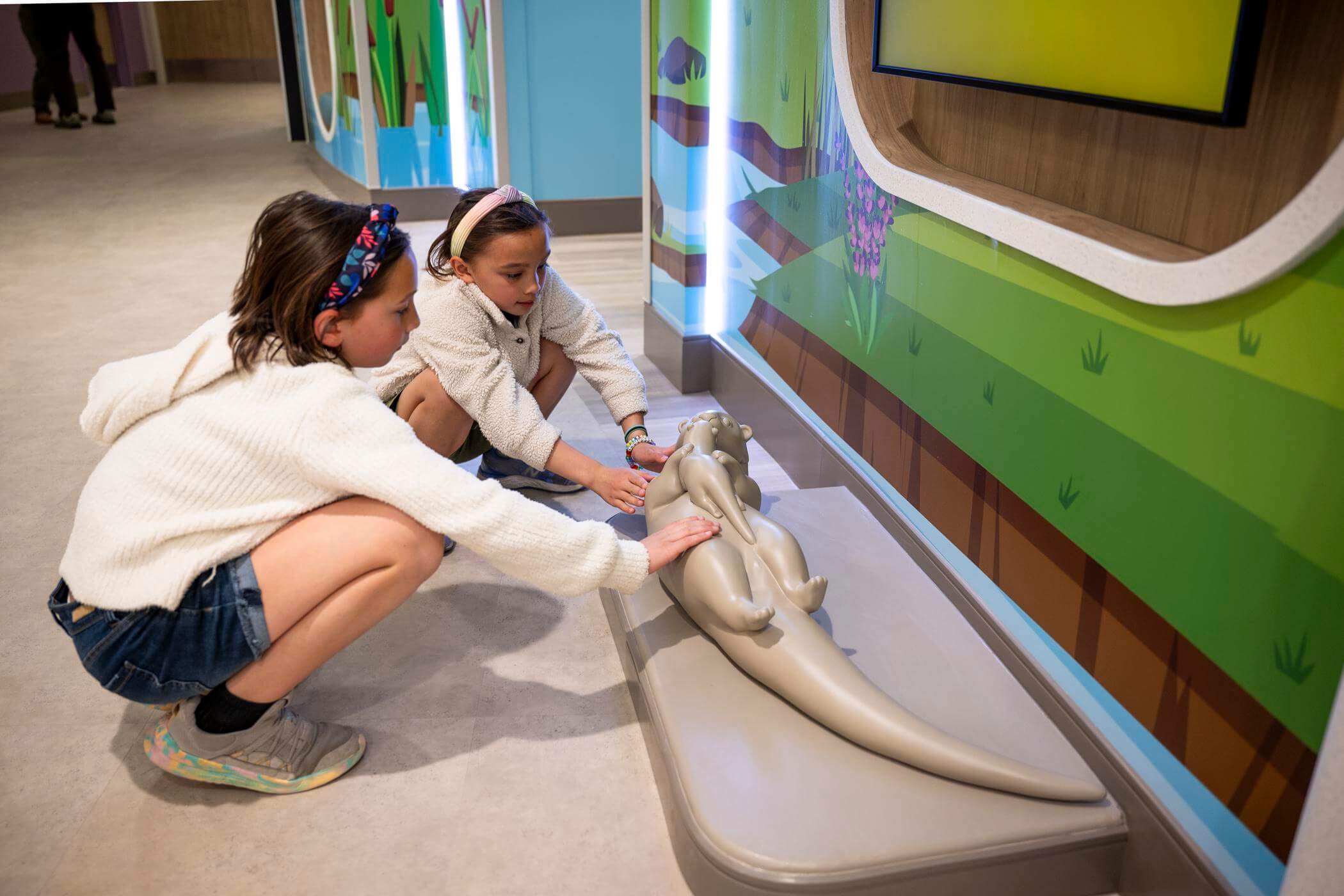
Traditional donor walls often focused on listing names in a static format. Today, many hospitals are creating more lively recognition experiences that reflect the spirit of the place and the community around it. The goal is not just to acknowledge giving, but to tell stories in ways that are connected to the patient experience.
That distinction matters. In pediatric settings, storytelling, theming and recognition need to feel genuine. Families can sense when something feels bolted on or overly transactional. The most successful experiences do not interrupt the environment. They belong within it.
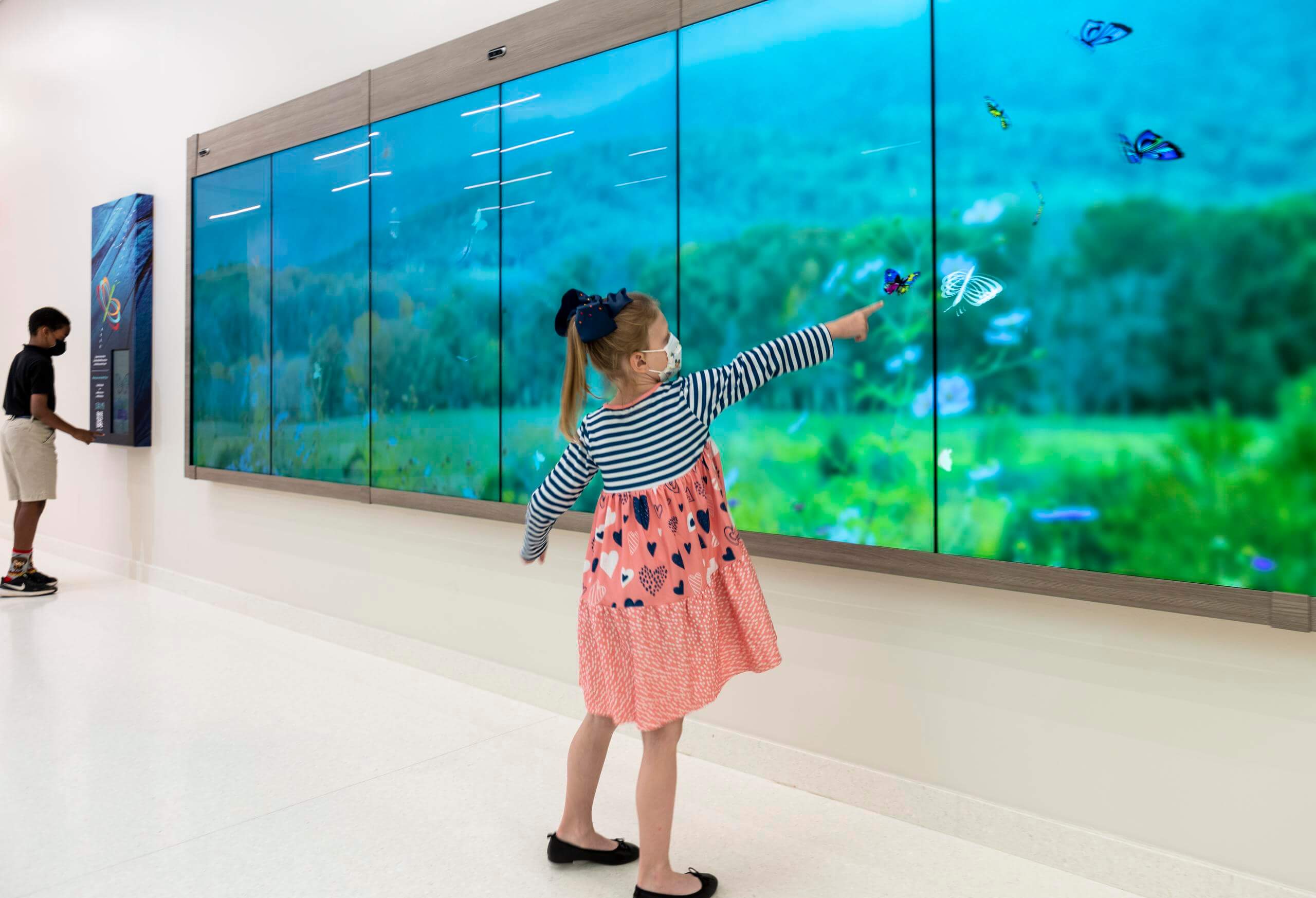
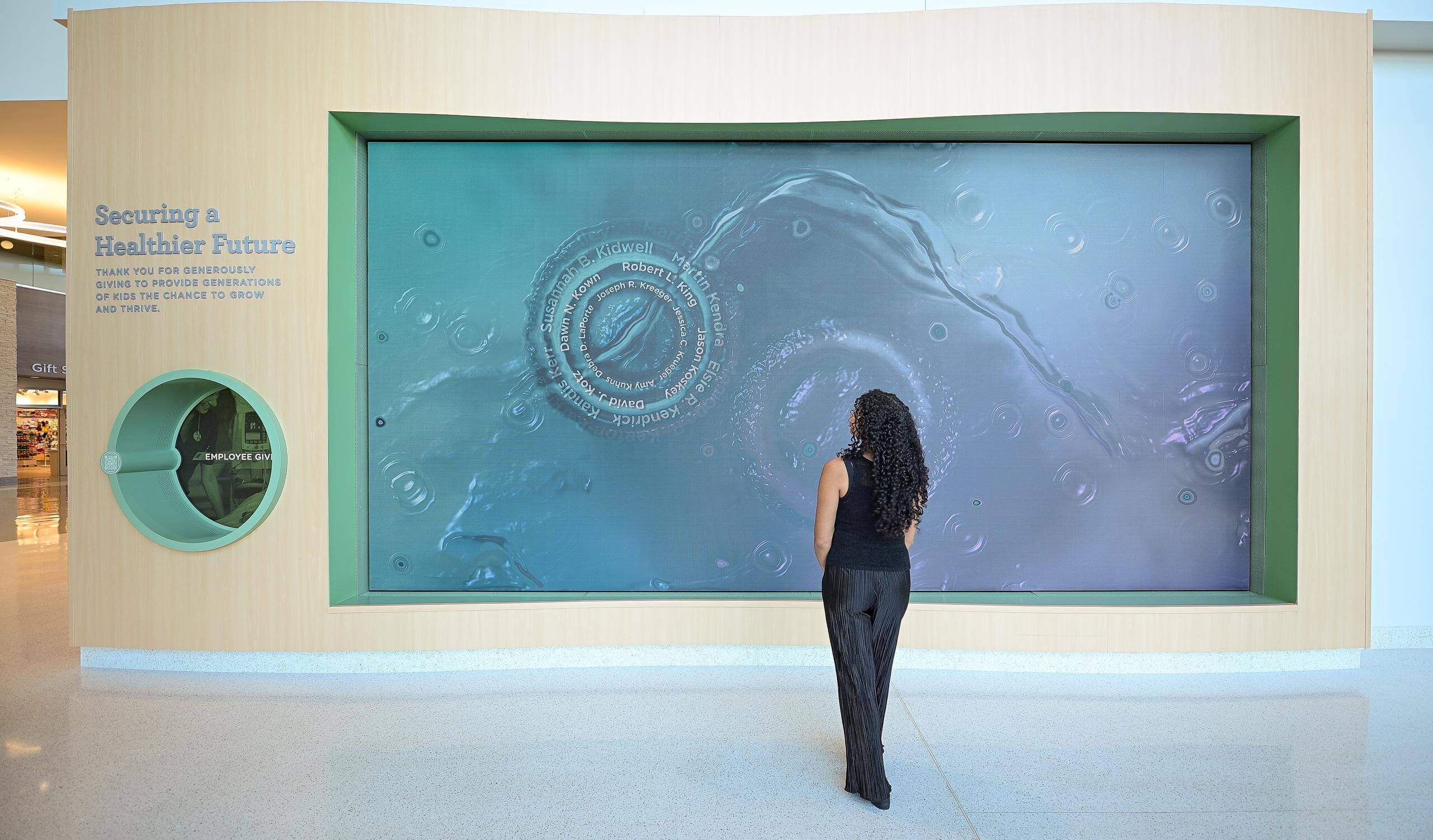
At CHOA’s Arthur M. Blank Hospital, donor recognition elements were carefully crafted to integrate the hospital’s broader visual identity and storytelling approach. This includes a 47-foot LED screen that highlights details about the donor’s life, impact and broader contributions to the hospital community, showing how their support benefits patients today.
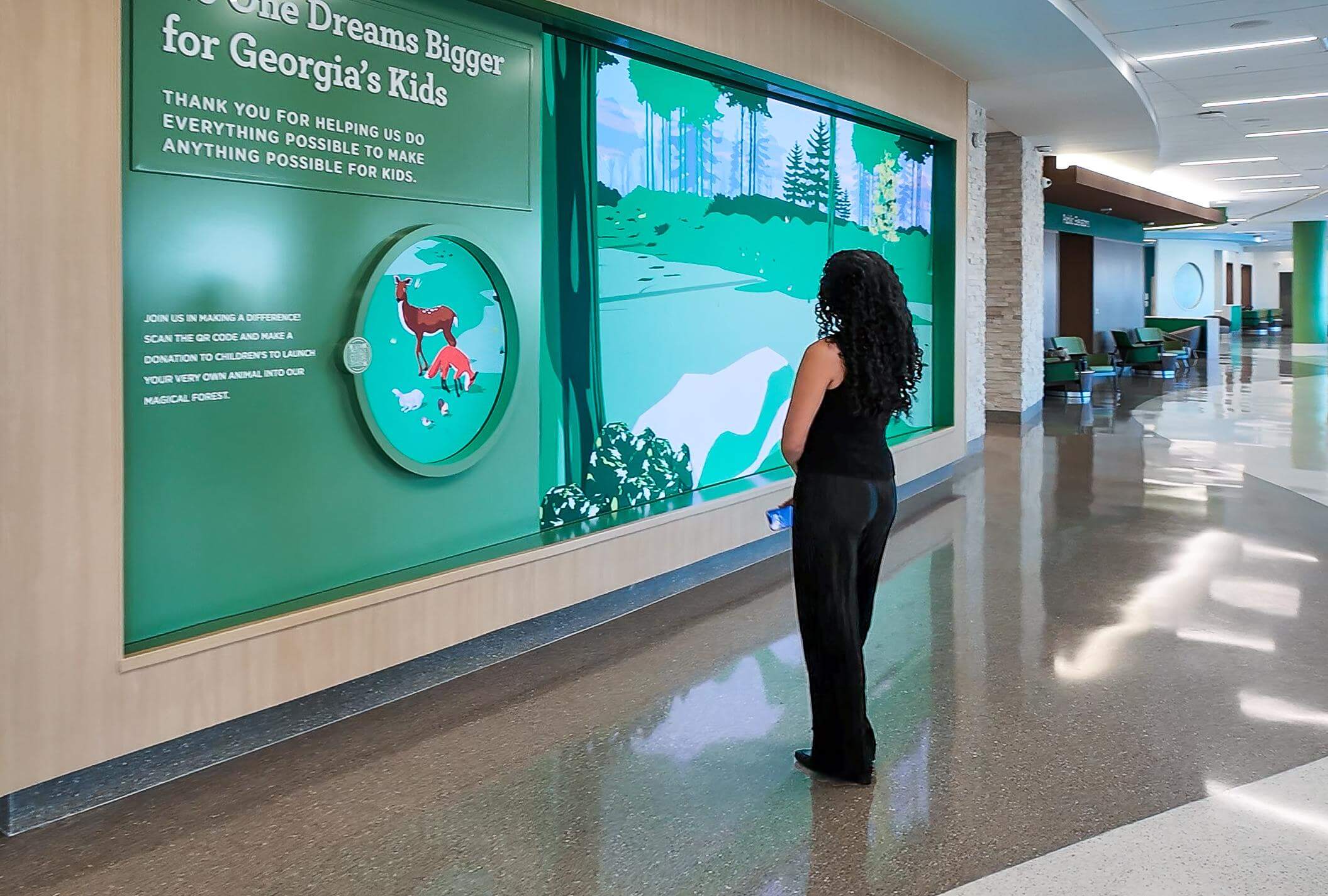
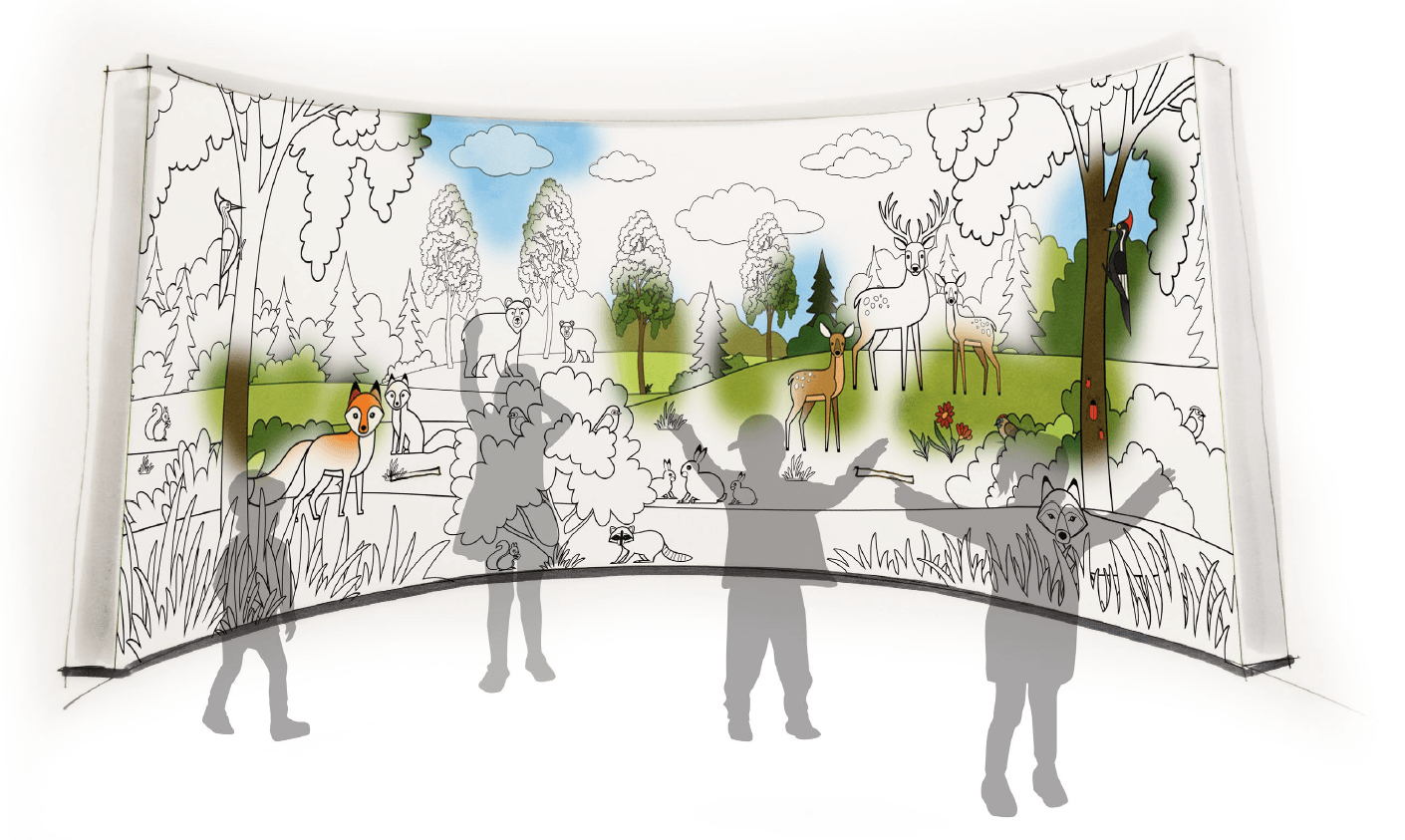
Another example is CHOA’s Digital Forest donor wall, a large-scale, QR-driven interactive that allows visitors to make in-the-moment contributions by adopting an animal that appears on screen and can be revisited later. The project generated strong early engagement, including 100-plus donations in the first 90 days and more than 200 unique real-time donations in the first nine months.
Trend 5: Fundraising enters the conversation earlier
Fundraising is strongest when it grows out of the same vision shaping the patient experience. When planning starts early, the result is a more unified story and a more meaningful connection to community support.
Hospitals are also bringing fundraising strategy into the design process sooner and with more intention.
That does not mean forcing a campaign message into a space. It means recognizing that the environment itself can help communicate vision, values and impact. When done well, storytelling becomes part of the experience in a way that feels natural and credible.
This is especially important in pediatric care, where donors, families and communities want to understand not just what is being built, but why it matters. They want to see how a space will support kids, families and staff in real ways. Early planning makes that story clearer.
It also makes the story more durable. Instead of relying only on campaign materials, hospitals can carry that sense of mission into the physical environment through integrated media, interactive moments and recognition experiences that continue long after opening day.
Pediatric Trends
The pediatric design conversation is evolving in a hopeful direction. Every day, kids and families walk into hospitals and clinics carrying a lot with them — fear, anxiety, uncertainty and disorientation. The most thoughtful pediatric environments recognize that reality and respond with experiences designed to bring comfort, calm and even moments of joy. When children feel more at ease, they often respond to care differently, and that can make a meaningful difference for families and caregivers.
The future of pediatric design is not about adding a single feature or impressive technology moment. It’s about shaping the whole experience to comfort, distract and entertain in ways that feel natural and supportive. It is about creating spaces that help families feel welcomed, build a genuine sense of community and tell stories through theming and design in ways that feel authentic, not forced.
Where pediatric design is headed is encouraging: toward environments that do more than deliver care. They help kids feel safe, help families feel supported and remind entire communities that hope belongs in the healthcare experience too.