
 Close Overlay
As a leading museum and zoo exhibit design firm, wWe believe exhibits should do more than educate—they should spark curiosity and leave lasting impressions. Our exhibit planning and design and planning blend bold creativity, cutting-edge technology and masterful craftsmanship to transform museums, zoos, aquariums and cultural institutions into immersive storytelling experiences.
Our approach is rooted in collaboration and a deep respect for each institution’s mission and audience. We work closely with curators, educators, and stakeholders to ensure every exhibit aligns with educational goals while captivating visitors through thoughtful design, intuitive layouts, and compelling narratives. From concept development to final fabrication, we’re committed to delivering exhibits that balance beauty, accessibility and durability.
Whether preserving history or shaping the future of engagement, we our exhibit designers push beyond the expected to design create moments that inspire. We don’t just build interactive museum exhibits—we elevate them, turning spaces into extraordinary visitor experiences that resonate long after the visit ends. Take a look at the project gallery below to see some examples of our exhibit design and planning expertise.
Zoos
Aquariums
Visitor centers
History centers
Cultural / education centers
Museums
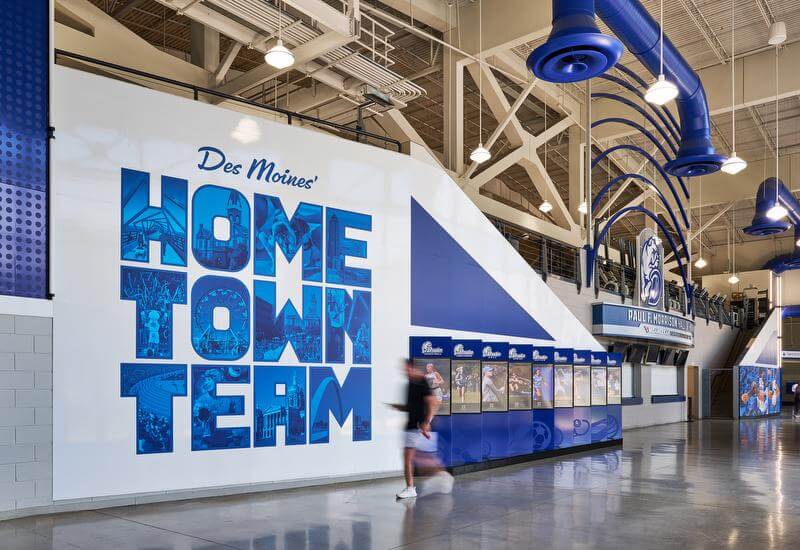 Drake University - Knapp Center MidAmerican Atrium
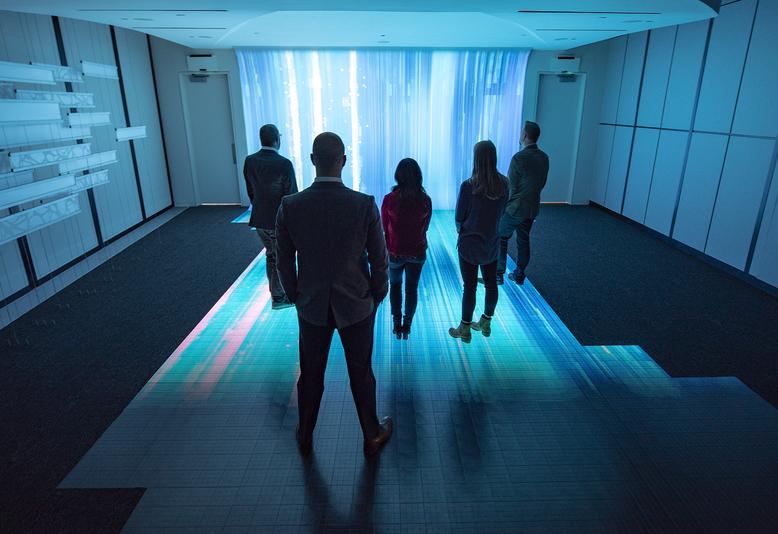 Oracle Health Experience Center
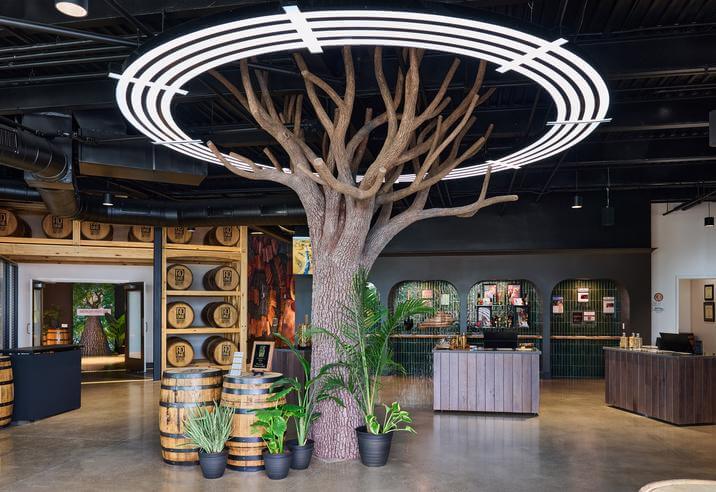 RD1 Spirits
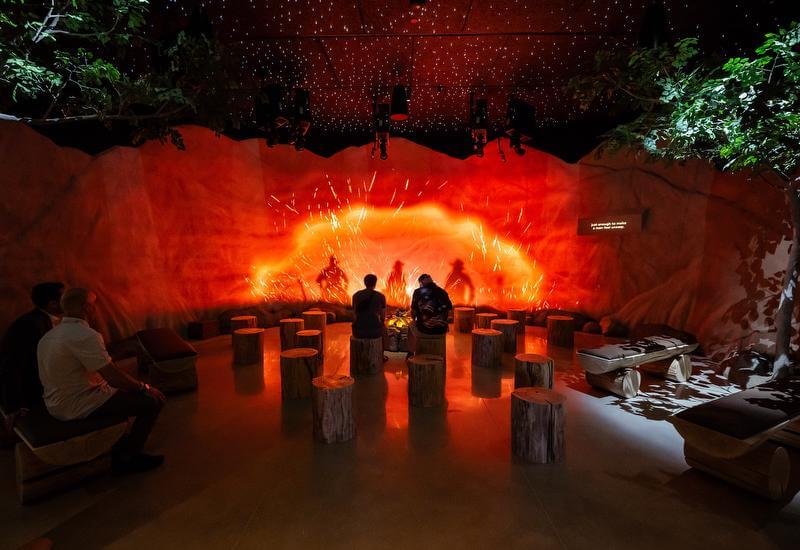 Theodore Roosevelt Presidential Library
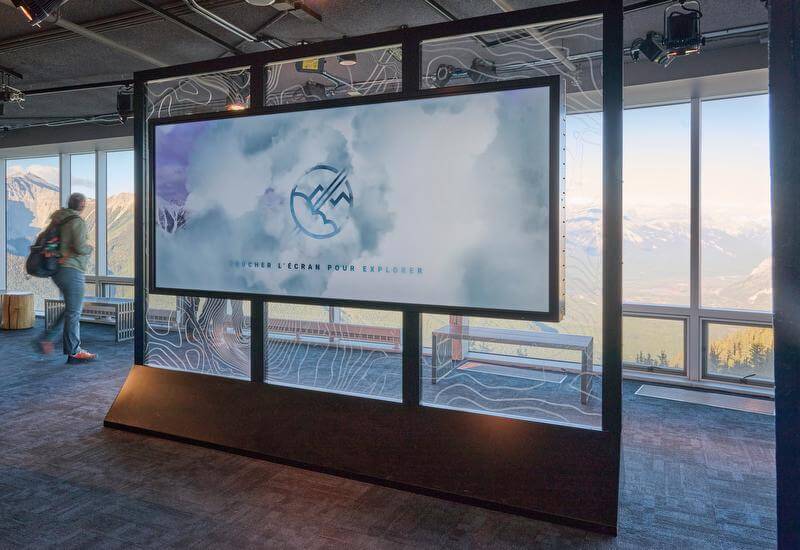 Pursuit Collection: Banff Gondola Summit Experience
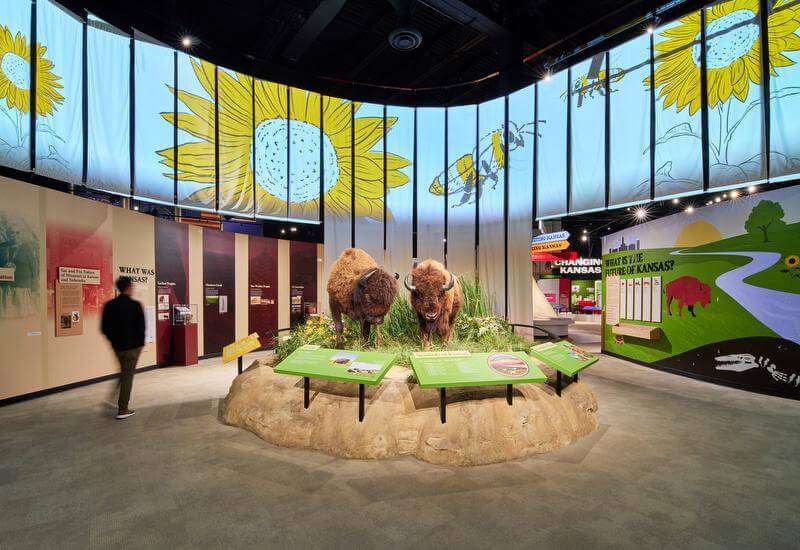 Kansas Museum of History
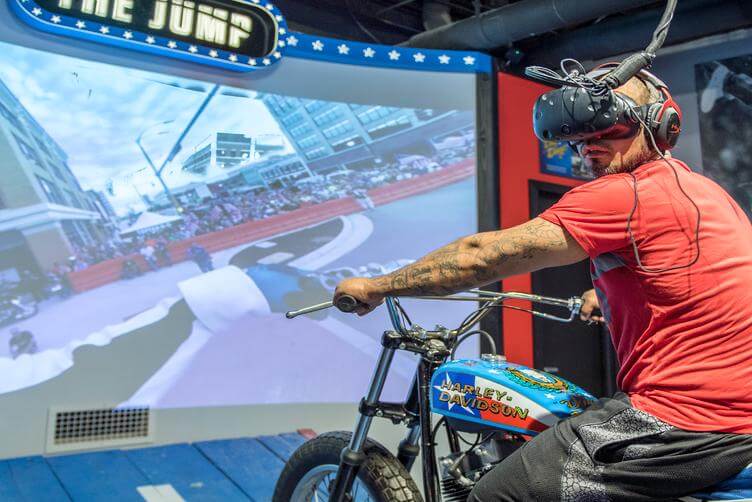 Evel Knievel Experience
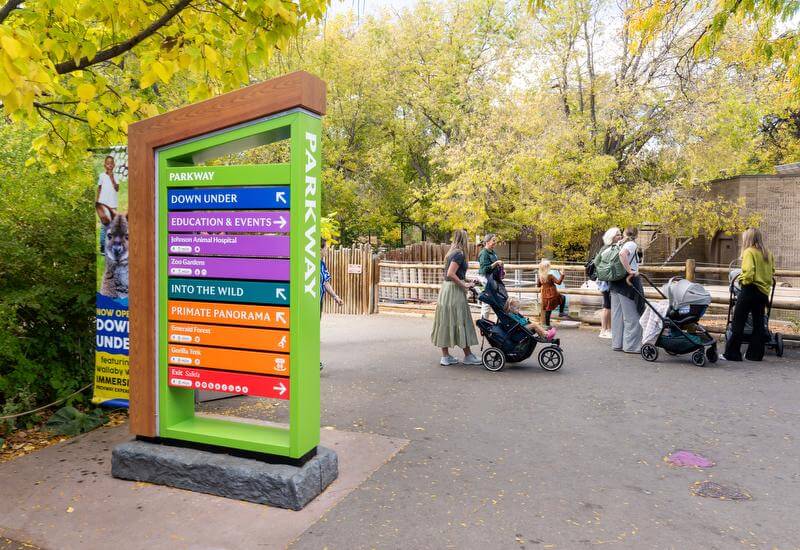 Denver Zoo Conservation Alliance
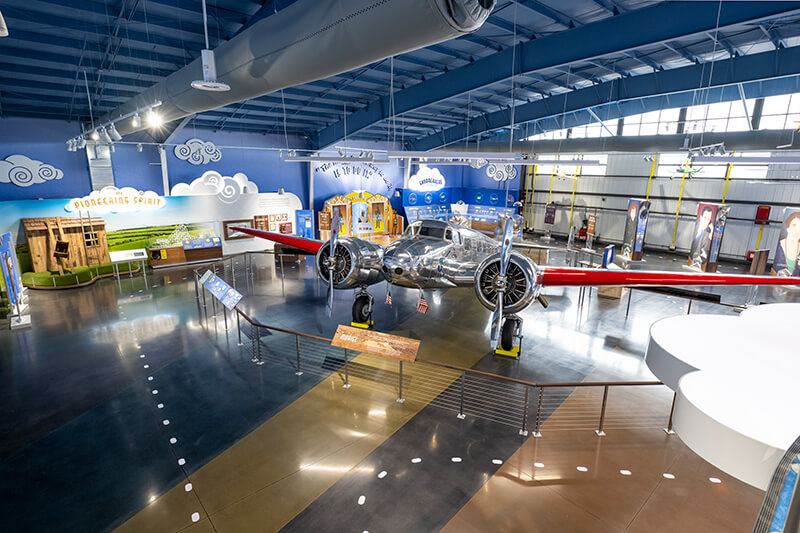
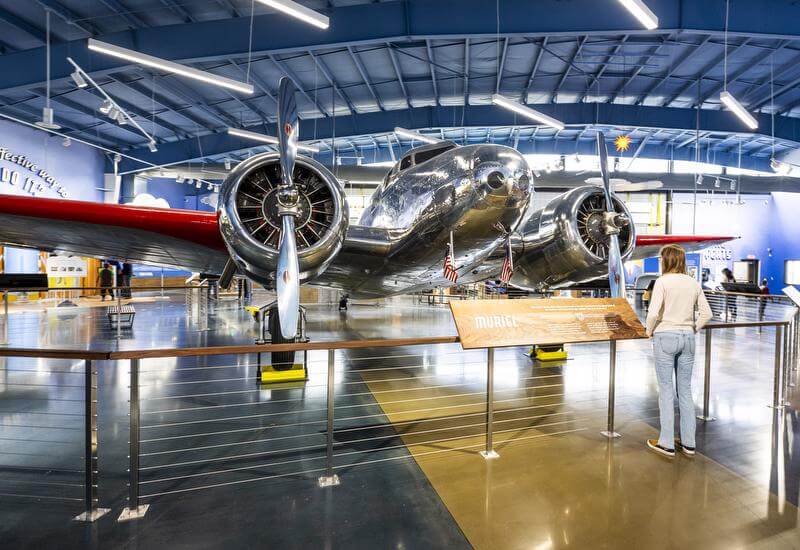 Amelia Earhart Hangar Museum
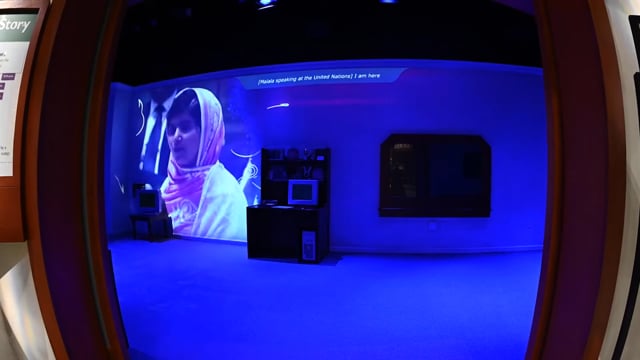 The Children’s Museum of Indianapolis
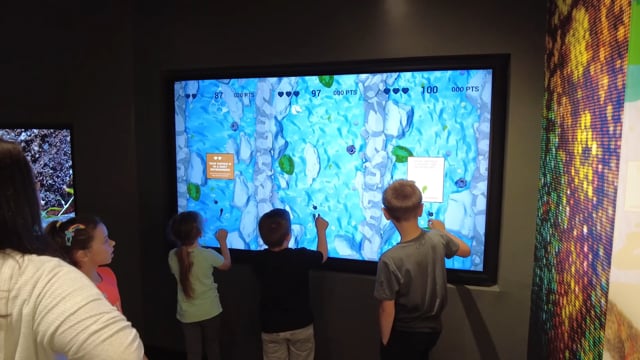 Zoo Knoxville
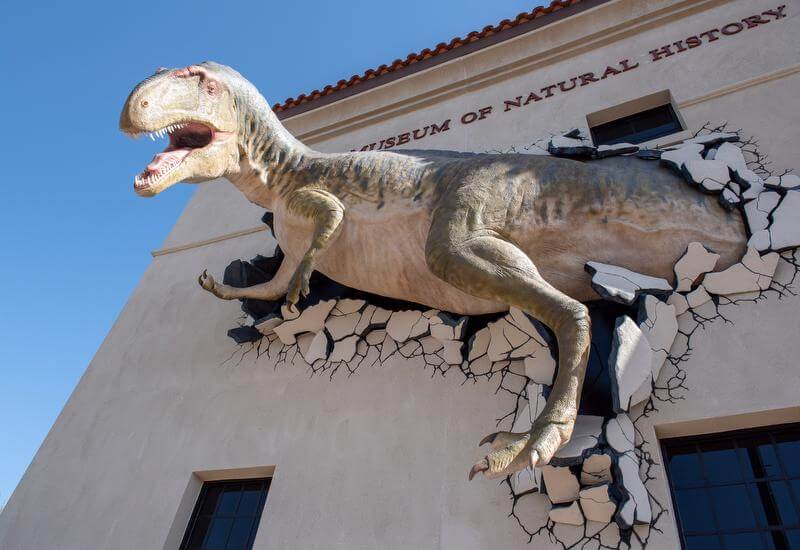 The Arizona Museum of Natural History
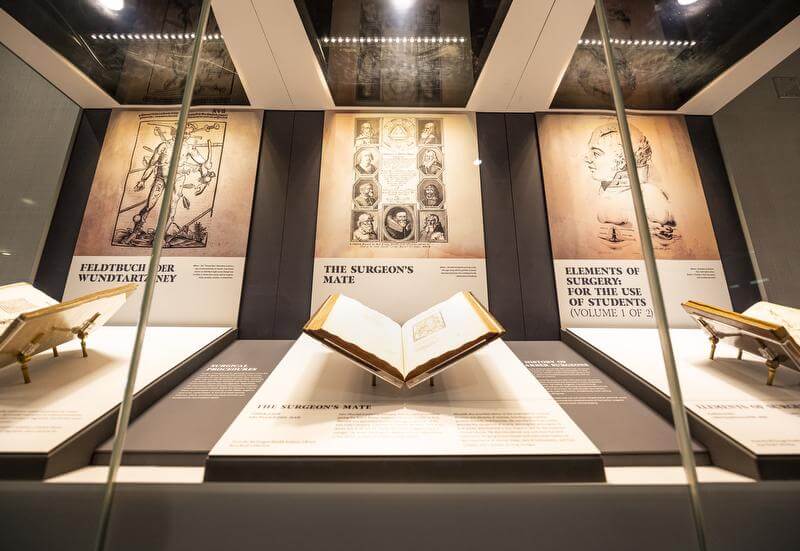 University of Nebraska Medical Center
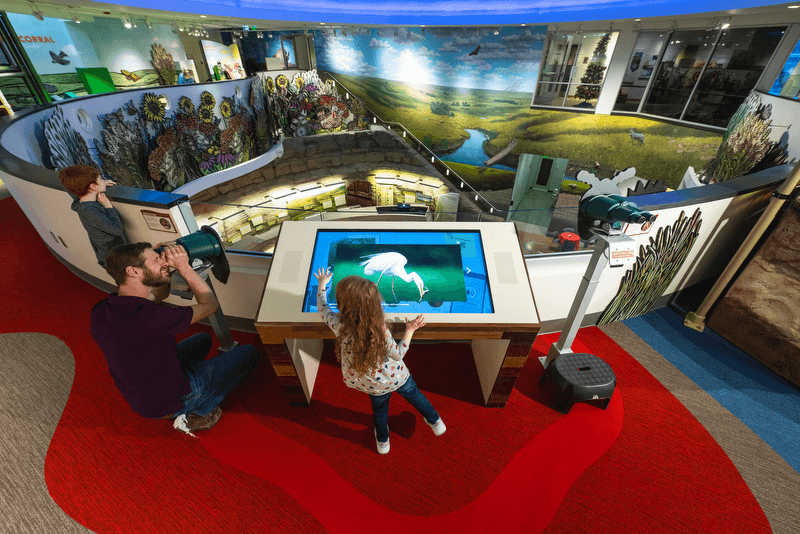 Flint Hills Discovery Center
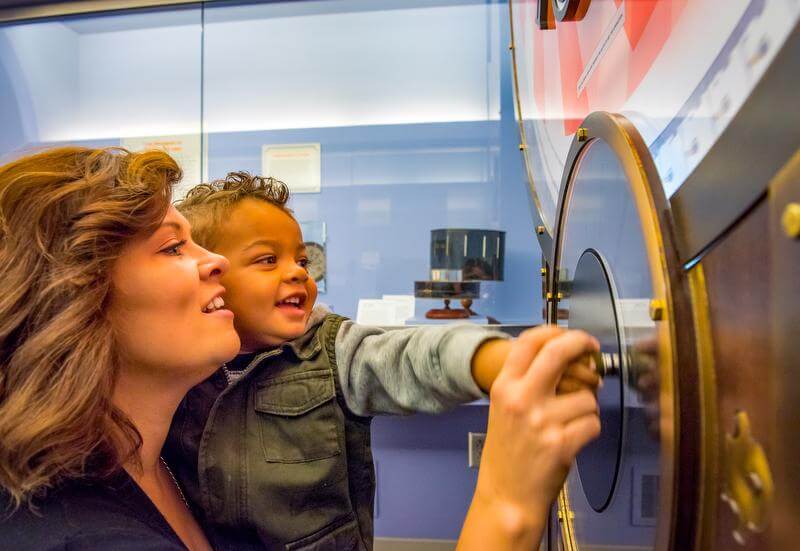 The National Museum of Toys and Miniatures
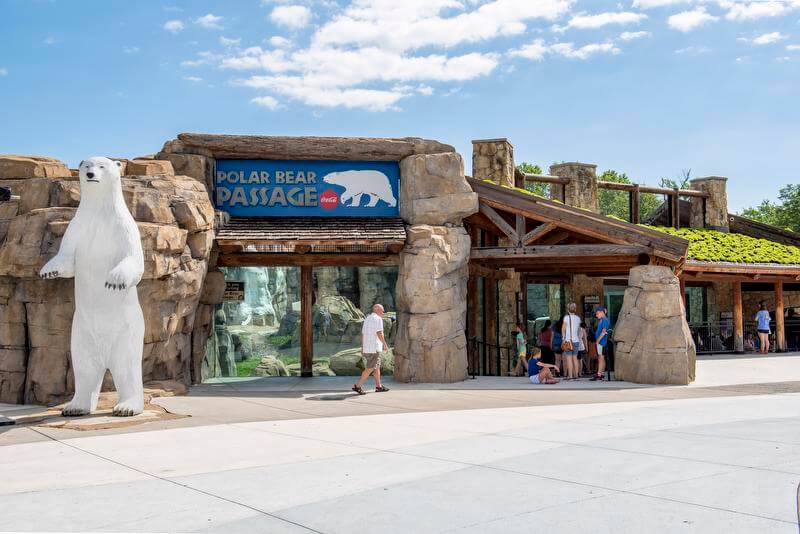 Kansas City Zoo & Aquarium